
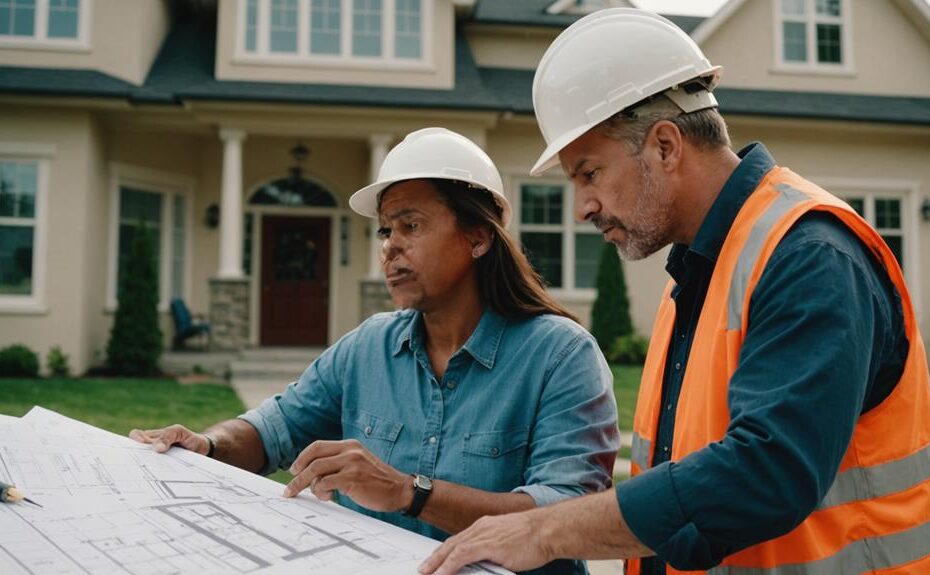
When engaging with a contractor, it's prudent not to reveal your entire budget immediately. This strategy allows for flexibility in managing negotiation processes and unexpected costs.
Additionally, keeping the bids of other contractors confidential can stimulate a competitive atmosphere, ensuring you receive the most advantageous deal.
It's essential to formalize agreements in writing rather than relying solely on oral commitments.
Refrain from critiquing the work prematurely during the execution phase. Demonstrating excessive commitment to initial concepts may restrict the creative possibilities of your endeavor. Exploring further can significantly enhance the outcome of your project.
Oversharing Your Budget

When engaging a contractor, it's vital to withhold full disclosure of your financial budget at the outset. Maintaining certain details confidential ensures you're perceived as part of a community that prioritizes intelligent, strategic budgeting. You desire to be under the guidance of a reliable steward, correct?
By reserving some financial details for later discussions, you create room for negotiation. This tactic not only cultivates mutual respect but also prevents financial constraints from cornering you.
The goal is to discover the optimal balance where the cost aligns with quality without surpassing your financial capabilities. Keep in mind, you aren't merely a client; you're an integral component of a collaborative endeavor that thrives on trust and cooperation.
By carefully choosing which financial details to reveal, you position yourself alongside those who advocate for transparency and equity in dealings. This doesn't imply a lack of honesty about your financial boundaries—it simply means the entirety of your budget need not be the initial topic of discussion.
This strategy provides a buffer for unforeseen expenses and showcases your acumen in resource management. Implementing this approach safeguards your finances and cements your role in a community that values careful planning and open communication.
Revealing Other Quotes
You should also consider maintaining the confidentiality of other contractors' quotes when discussing your project. It's tempting to employ these quotes as leverage, hoping to secure a more favorable agreement. However, divulging this information can occasionally have adverse effects. It might lead your contractor to perceive themselves as merely one among many contenders, rather than a crucial collaborator in your home renovation journey.
By withholding these details, you cultivate a climate of trust and respect. It demonstrates that you value their expertise and the contributions they make, not merely the cost they offer. This strategy promotes a more dedicated and bespoke interaction. Remember, you aren't merely procuring a service; you're cultivating a partnership that will influence the comfort and excellence of your living space.
Furthermore, when contractors sense that they're selected for their excellence and not solely their economic proposal, they're typically more driven to excel. This can result in superior workmanship and more innovative solutions that are specifically customized to your requirements.
Envision your project as a collaborative endeavor where every participant, including your contractor, feels integral and appreciated. This perspective will foster a conducive environment and could lead to a more successful overall project outcome.
Specifying Exact Timelines
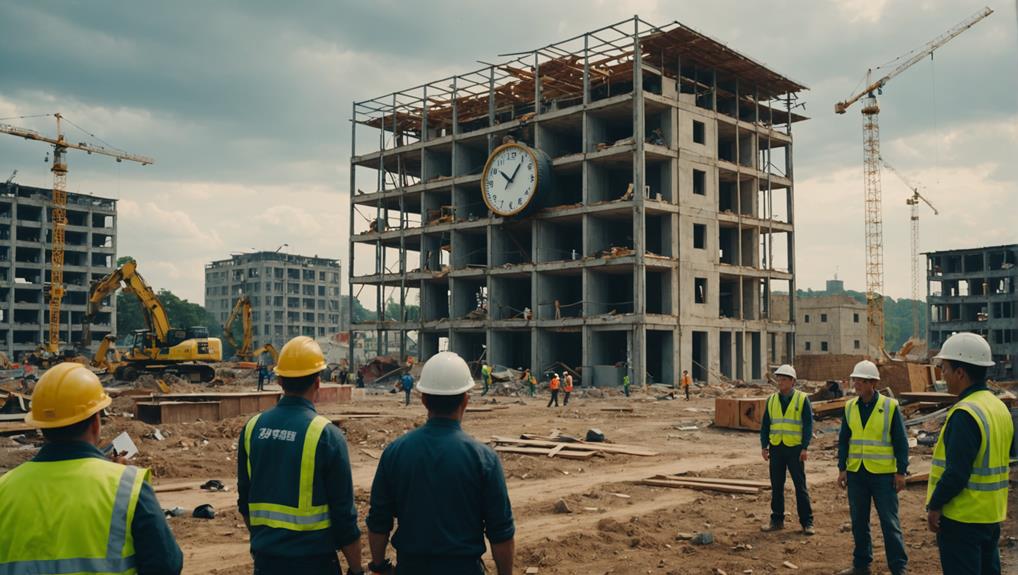
Establishing precise timelines for your construction project can introduce undue stress and possible letdowns. While aiming for completion by a specific date is common, the realm of construction is fraught with unforeseen factors that even the most experienced contractors can't anticipate or govern.
Elements such as meteorological disruptions, shortages of materials, or unexpected structural complications are just a few instances that can disrupt meticulously arranged schedules.
Rather, engage in a dialogue with your contractor to establish a practical timeframe. Consider yourself an integral member of a collaborative team, and remember that teams operate most effectively when they embrace adaptability and mutual understanding.
Inquire about the construction process and any potential obstacles that could impact the project's timeline. This discussion underscores your appreciation for their professional insight and also equips you for any necessary schedule modifications.
The goal is to foster a partnership where both parties feel supported and appreciated.
Discussing Financial Constraints
Discussing your financial plan openly with your contractor can prevent miscommunications and ensure that your construction project remains within financial boundaries. It's essential to initiate this transparency from the beginning. By delineating your fiscal limits, you're not merely protecting your finances; you're involving your contractor in a partnership based on trust. This shared understanding promotes a collaborative environment and contributes to building a community ethos surrounding your project.
Nonetheless, it's vital to maintain a balance between openness and prudence. It isn't necessary to reveal every aspect of your economic status. Instead, concentrate on providing a concise summary of your budget constraints and prioritize your essential requirements. This method enables your contractor to propose solutions that adhere to your economic parameters without sacrificing the integrity of the work.
Making Informal Agreements

While establishing a comprehensive financial strategy with your contractor is crucial, depending on informal agreements can result in misunderstandings and project delays. It's tempting to believe that a simple conversation and a handshake are sufficient to initiate activities, particularly when you share a strong rapport with your contractor. However, in the absence of written contracts, both parties enter a vague territory that can obscure responsibilities and expectations.
Recall, it's not solely about safeguarding your assets; it's about cultivating a transparent and professional relationship where each participant feels valued and secure. Written agreements ensure that all parties have a common understanding and significantly reduce the potential for disputes or incongruent expectations in the future.
You might be concerned that emphasizing formalities could weaken your personal relationship with the contractor. However, the reality is quite the contrary. Industry professionals appreciate precision and dedication. A meticulously crafted contract does more than just address legal requirements—it also establishes a foundation for trust and mutual respect, ensuring that the project advances smoothly and that both parties feel integral to a respected, unified team.
Therefore, while verbal agreements might appear simpler, always choose documented agreements. They're crucial for a fruitful collaboration.
Showing Personal Preferences
You should articulate your personal preferences to ensure they're in harmony with the project's objectives and execution. It's crucial for crafting an environment that resonates with your identity. By conveying your likes and dislikes, your contractor can customize their approach to align with your vision, enhancing your connection to the final outcome.
Consider this perspective: your residence is a manifestation of your character. By openly discussing the colors, textures, and atmospheres that appeal to you, you're not merely informing your contractor; you're extending an invitation into your personal aesthetic realm. This collaboration cultivates a sense of partnership and belonging, ensuring that all parties involved share a unified vision.
Nevertheless, while articulating your preferences, it's equally vital to remain open to professional insights. Your contractor possesses the expertise to navigate how your aesthetic choices can be seamlessly integrated with the functional demands of the project. They're a key component of your team, dedicated to actualizing your vision while maintaining functionality and structural integrity.
Providing Uninformed Opinions
However, sharing opinions on intricate facets of construction engineering without proper expertise can impede the project more than facilitate it. When you're embarking on a home renovation or initiating a new property construction, it's understandable to feel involved and keen to offer your insights.
Nevertheless, it's crucial to acknowledge that your contractor and their skilled team possess the technical knowledge and extensive experience that you may lack. It's advisable to pose questions and articulate your preferences—after all, it's your investment.
But when addressing the finer points, such as the architectural integrity or the selection of specific building materials, trust in their professional judgment. They've undergone rigorous training and have a deep understanding of what'll function effectively and what might not, in ways that may not be evident to someone outside the construction field.
Would you risk your suggestions inadvertently diverting the project from its intended path? Instead, aim to cultivate a cooperative dynamic where your contractor feels their expertise is valued and trusted. This method not only builds confidence but also capitalizes on their proficiency to guarantee the most favorable outcome for your dwelling.
Allow them to excel in their area of specialization, and they'll ensure that your vision is realized, upholding both safety norms and aesthetic standards.
Committing to Preliminary Ideas
Committing initially to your first ideas can restrict the expansive potential of your project and impede crucial modifications. When you're orchestrating a home renovation or architectural endeavor, it's alluring to adhere to your initial blueprint. You've probably devoted numerous hours envisioning the ideal layout, perusing design journals, and accumulating inspiration on Pinterest. Nevertheless, maintaining an open mindset is essential.
The expertise of your contractor is a priceless asset, and they may propose alternatives that amplify your original plan or introduce new solutions that better align with your lifestyle and the architectural integrity of your residence. It resembles being part of a dynamic community where the collective insights enrich the ultimate creation. Surely, you wouldn't want to overlook such opportunities, right?
Envision your project as a cooperative expedition. You aren't merely employing technical skills; you're engaging in a partnership with a professional who can broaden your horizons and aid in transforming your residence into more than just a structure, but a manifestation of the most optimal version of your aspirations. Therefore, grasp your initial concepts loosely and remain flexible.
Adopting this strategy guarantees that the final product not only fulfills but surpasses your anticipations, providing a sense of true belonging and connection to every decision made throughout the process.
Critiquing Work Prematurely
While maintaining an open perspective on initial blueprints, it's crucial to avoid prematurely critiquing the contractor's execution. Remember, you're an integral part of a collaborative team working to materialize your architectural vision. Premature criticisms can create a strained atmosphere and potentially inhibit the essential open communication necessary for the project's success.
Instead, have confidence in the procedural flow. Your contractor, a seasoned professional in construction dynamics, is aware that the foundational stages mightn't visually represent the end goal.
Allow the process some time. Should you encounter anything that raises concern, jot it down and assess whether it remains an issue during the designated review phases. That's the opportune moment for addressing any inconsistencies. This method not only sustains a positive rapport but also motivates your contractor to remain engaged and attentive to refining details according to your preferences.
You aren't just erecting a structure; you're cultivating a partnership. Establishing trust and patience from the outset forms the basis for a project that not only embodies your aspirations but also showcases the professional acumen of your contractor. Therefore, refrain from hasty evaluations and observe your project evolve with professional finesse and meticulous attention.
Conclusion
When engaging with a contractor, it's wise to be strategic in your communication. Refrain from revealing the entirety of your budget or details regarding competing quotes you have gathered. It's also prudent to avoid setting absolute deadlines initially and to be cautious about disclosing your financial boundaries.
Ensure all agreements are documented in a formal written contract. Limit discussions about personal preferences or preliminary opinions that haven't been thoroughly considered, and avoid prematurely evaluating the project. Adopting these practices will foster a professional and effective partnership.
Related articles: How Do I Market Myself as an Independent Contractor? · How to Get Customers as a Contractor? · Why Do Contractors Make so Much Money?