

Dermatologists recognize biotin (also known as vitamin B7) as crucial for maintaining optimal hair health, primarily affecting texture and strength.
As a vital coenzyme in metabolism, biotin is essential for the cellular processes that rejuvenate hair follicles. However, the effectiveness of biotin in stimulating hair growth remains a subject of debate, particularly for individuals who do not suffer from a biotin deficiency.
Generally, while biotin supplementation may be superfluous for those with sufficient levels of this nutrient, individuals experiencing a deficiency could witness substantial enhancements in hair quality.
Adopting a holistic approach to hair care, which includes integrating biotin with other essential nutrients and topical treatments, is often advocated for achieving the most effective results.
Investigating these integrated strategies may provide more profound insights into attaining superior hair health.
Biotin Basics
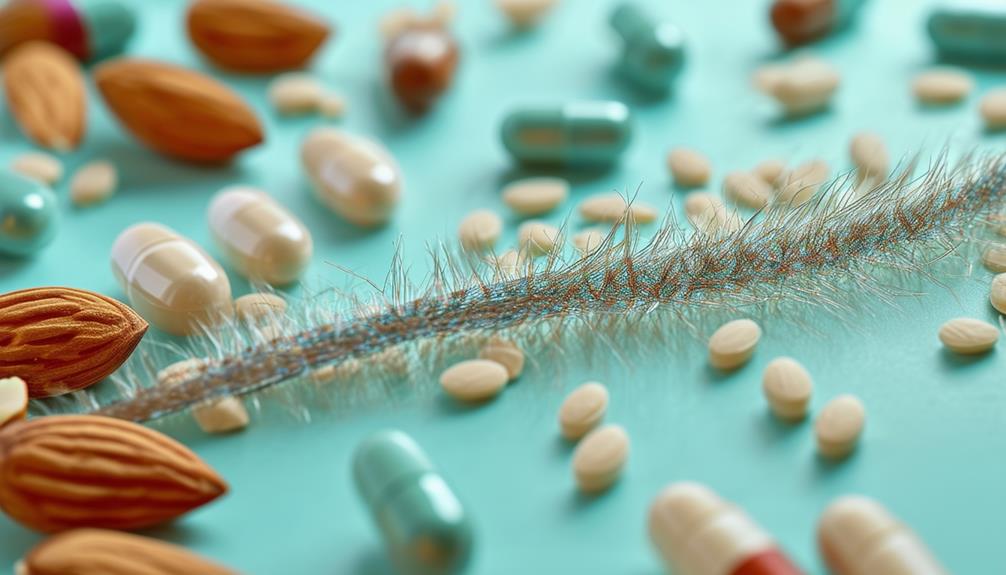
Biotin, also recognized as vitamin B7, is an essential nutrient that plays a vital role in the health of hair, skin, and nails.
It functions as a coenzyme in the metabolic processes of fatty acids, amino acids, and glucose, which are key for cellular energy and the synthesis of RNA and DNA.
Sufficient levels of biotin help maintain the integrity of the skin and hair follicles, thus fostering healthy hair growth.
Commonly found in foods such as eggs, almonds, cauliflower, cheeses, mushrooms, sweet potatoes, and spinach, biotin is typically ingested in adequate amounts through a balanced diet.
Nevertheless, its significance in cosmetic products is increasing, reflecting its perceived benefits in enhancing the texture and strength of hair.
Dermatologist Insights
Despite the broad dietary availability of biotin and its significance in metabolic functions, the specific effect on hair health frequently leads individuals to consult with experts.
Dermatologists affirm that although biotin plays an essential role in preserving hair strength and texture, its role in enhancing significant hair growth is often exaggerated, especially in individuals who lack a biotin deficiency.
Dermatologist Dr. Elizabeth Bahar Houshmand highlights that the advantages of biotin are more noticeable in those suffering from a deficiency, a condition that is uncommon. For the average consumer, the benefits may be limited.
Dermatologist Dr. Kathleen Suozzi underscores the necessity of tackling underlying health conditions that lead to hair loss, instead of solely depending on biotin supplements.
Recommended Products
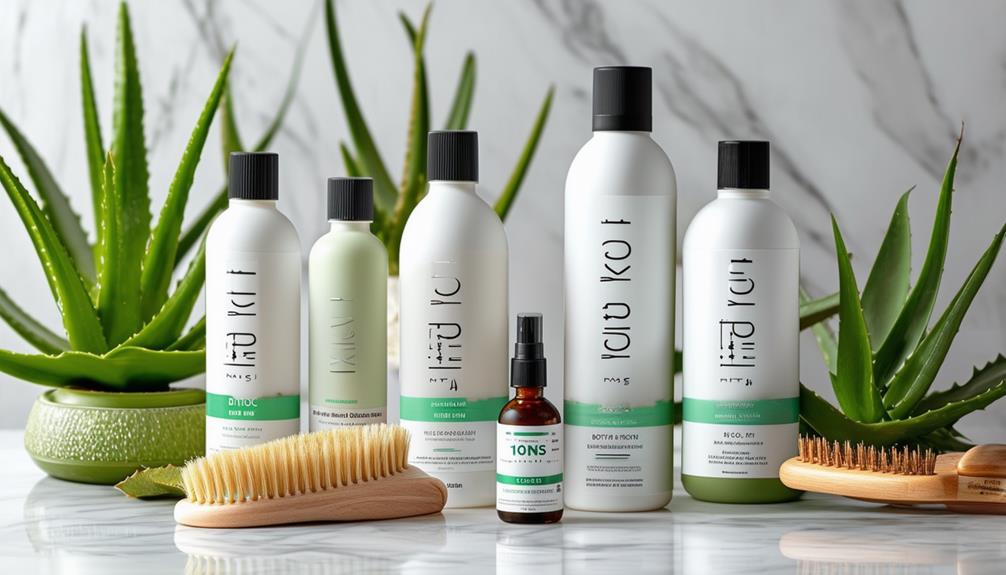
Addressing the challenges faced by individuals experiencing hair loss, a selection of highly recommended products are available, each meticulously designed to enhance various facets of hair health.
Among the top choices are Mielle Organics Rosemary Mint Oil, renowned for its ability to moisturize the scalp and prevent itching, and The Inkey List Caffeine Treatment, celebrated for its efficacy in stimulating hair growth and compatibility with sensitive scalps.
Additionally, Kitsch Rosemary Oil ingeniously combines biotin with beneficial oils to boost hair growth.
For those exploring pharmaceutical interventions, Amazon Basic Care presents a Minoxidil formula, while Nioxin's Ultimate Power Serum offers a nourishing solution that delivers observable results from the initial application.
These products provide precise and effective solutions for individuals aiming to combat hair loss.
Biotin Efficacy
While discussing various effective products for hair loss, it is also crucial to explore the specific role and impact of biotin, a B-vitamin essential for the metabolism of proteins and fats, in these treatments.
Biotin is often lauded for its benefits to hair strength and quality. However, the prevailing scientific perspective indicates that unless an individual has a biotin deficiency, supplementation is unlikely to yield significant enhancements in hair growth among healthy individuals.
Most benefits attributed to over-the-counter biotin products may actually originate from other active components in those formulations.
Dermatologists, who specialize in skin and hair health, typically recommend a personalized approach to hair loss treatment, suggesting that biotin supplementation should only constitute one facet of a comprehensive therapeutic strategy.
Industry and Trends
Exploring industry trends, the market for hair loss solutions is experiencing substantial growth, propelled by an increased consumer interest in both conventional and cutting-edge restoration methods.
Corporations are channeling substantial resources into research and development to devise more efficacious treatments, resulting in an array of products spanning from over-the-counter supplements like biotin to sophisticated therapies such as platelet-rich plasma (PRP) and laser treatments.
The global hair loss treatment market is forecasted to expand significantly, reflecting a heightened awareness of hair loss issues among both male and female demographics.
Furthermore, technological advancements and strategic alliances are sculpting the industry, empowering providers to deliver customized solutions that accommodate the varied needs and preferences of consumers across the globe.
Consumer Preferences
As the market for hair loss solutions expands, consumer preferences have diversified significantly, mirroring a call for customized and efficacious interventions.
Present-day consumers are well-informed and selective, typically opting for products that are not only potent but also conform to their health and ethical criteria. A considerable number prefer treatments that avoid harsh chemicals, choosing natural components such as biotin.
Additionally, there is a discernible trend toward products that provide holistic solutions, targeting foundational health issues rather than merely treating the symptoms.
Consumer testimonials and endorsements by esteemed dermatologists are pivotal in molding these preferences, as individuals seek verifiable effectiveness and safety assurances in their selections for hair care remedies.
Future Research Directions

Future research in the field of biotin and hair health is set to explore further into the molecular interactions and genetic predispositions that influence hair growth and loss.
Future studies are designed to uncover the specific pathways through which biotin aids in the fortification of hair follicles and whether its effectiveness is enhanced when integrated with other vital nutrients such as zinc and vitamin D.
Researchers are equally keen on examining the diversity in responses to biotin supplementation among various ethnic and age groups. This investigation includes exploring genetic variants that might alter biotin metabolism.
Moreover, expansive clinical trials with substantial participant numbers and uniform dosing protocols are essential to corroborate the initial observations and formulate more concrete recommendations for biotin application in dermatological settings and everyday hair care routines.
Conclusion
In conclusion, the scrutiny into biotin's (vitamin B7) role in hair health unveils diverse perspectives among dermatology experts. Although some scientific studies bolster its application in augmenting hair quality and promoting follicular growth, additional comprehensive, placebo-controlled trials are imperative to conclusively verify these assertions. Market trends and consumer inclinations persist in propelling biotin's acclaim in the beauty industry. Nonetheless, addressing foundational health disorders is essential for achieving peak hair vitality, and guidance from certified healthcare professionals should invariably direct the utilization of any dietary supplements or therapeutic interventions.
Related articles: Top Supplements for Lush Hair Growth · Nutritional Insights From Dietitian Jamie Lee Mcintyre · Diet Change Could Slash Dementia Risk