
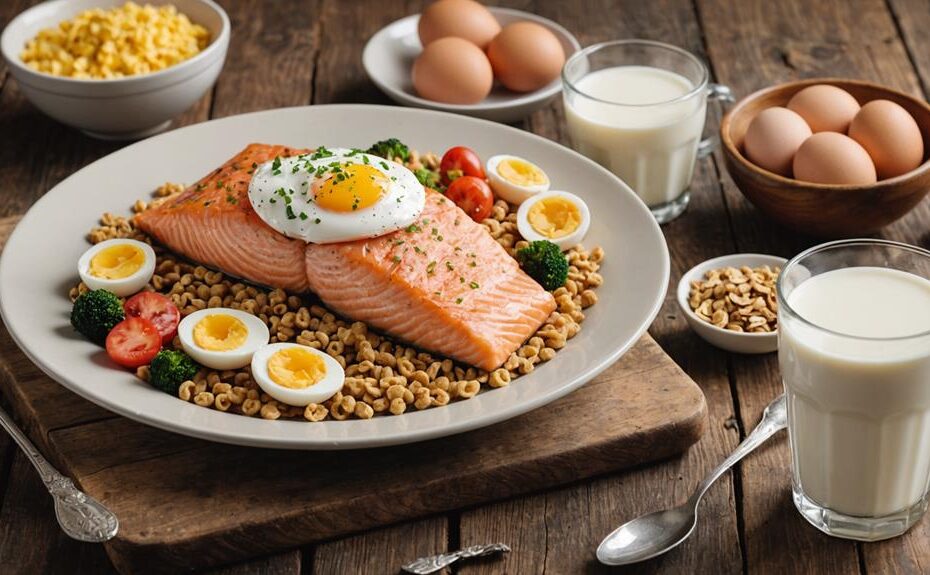
Enhancing your well-being with Vitamin B12-rich nutrients is essential for nerve function, DNA replication, and averting deficiencies.
Seafood such as mackerel, salmon, and trout, along with crustaceans like oysters and crabs, are outstanding sources of B12 and omega-3 fatty acids.
For individuals adhering to plant-based regimens, enriched cereals, nutritional yeast, and alternative milks such as soy, almond, and oat provide crucial B12 fortification.
Eggs also present a versatile, nutrient-dense choice.
Implementing a diverse consumption of these items can lead to substantial health enhancements and accommodate varied dietary preferences.
Explore further how these nutrients can contribute to a balanced and wholesome diet.
Fish Sources of Vitamin B12

Fish, particularly species such as mackerel (Scomber scombrus), salmon (Salmo salar), and trout (Oncorhynchus mykiss), are robust sources of Vitamin B12, an indispensable nutrient that bolsters nerve function and the synthesis of DNA and red blood cells.
These aquatic vertebrates not only contribute to neurological health but also play a pivotal role in sustaining vital bodily processes. Incorporating these species into your dietary regimen can significantly augment your B12 intake, particularly crucial for individuals susceptible to deficiency.
Additionally, these fish are rich in omega-3 fatty acids (EPA and DHA), which additionally support cardiovascular health. To maximize the retention of these nutrients, culinary methods such as baking or grilling are advisable.
Opting for sustainably sourced fish, such as those certified by the Marine Stewardship Council, also aids in the preservation of marine ecosystems, aligning health advantages with environmental stewardship.
Benefits of Fortified Cereals
Among the numerous strategies for enhancing Vitamin B12 intake, fortified cereals emerge as a particularly effective solution.
These cereals, often consumed daily, are deliberately designed to boost nutritional profiles, specifically addressing the needs of vegetarians and vegans who might face challenges in meeting their Vitamin B12 requirements.
By incorporating fortified cereals into one's dietary regimen, individuals can significantly amplify their Vitamin B12 intake with minimal effort.
It is crucial to examine cereal packaging for exact Vitamin B12 content, as this can differ substantially among brands.
Additionally, when these cereals are consumed with milk or fortified plant-based substitutes, the bioavailability of Vitamin B12 is further augmented, positioning breakfast not only as the initial but also the most nutrient-rich meal of the day.
Using Nutritional Yeast

Nutritional yeast, a popular staple among the vegan community, is often fortified with the essential nutrient Vitamin B12, making it an invaluable component of a plant-based diet.
This yeast not only enhances flavor, imparting a cheesy or nutty taste to culinary creations, but also elevates the nutritional profile of meals substantially. Available in a flaky or powdery form, nutritional yeast is versatile, allowing for easy application on pasta dishes, soups, and salads, or integration into sauces and dressings.
Beyond Vitamin B12, it is abundant in protein, fiber, and a spectrum of vital vitamins and minerals, including zinc and various B-vitamins.
For individuals aiming to augment their intake of Vitamin B12 through non-animal sources, nutritional yeast presents itself as a flexible and nutritious choice for daily meal preparation.
Non-Dairy Milk Options
While soy milk, almond milk, and oat milk are frequently fortified with Vitamin B12, they serve as excellent alternatives for those seeking non-dairy milk options.
These beverages not only cater to individuals with lactose intolerance or dairy allergies but also support those adhering to a vegan or plant-based diet.
Each type of non-dairy milk offers unique nutritional benefits. Soy milk, for instance, is rich in protein and can be a significant source of B12 when fortified.
Almond milk, on the other hand, is typically lower in calories and provides a good dose of vitamin E.
Oat milk boasts soluble fiber and can contribute to heart health.
When choosing non-dairy milks, it's crucial to check product labels for fortification to ensure adequate Vitamin B12 intake.
Eggs and Shellfish for B12

Eggs and shellfish, recognized as key sources of Vitamin B12, are integral to achieving a balanced nutritional regimen.
Eggs, especially the yolks, stand out for their affordability and culinary flexibility, allowing preparation methods such as boiling, scrambling, or poaching. They deliver a robust amount of protein along with Vitamin B12, establishing them as a staple in various dietary frameworks.
Shellfish, particularly varieties like oysters and crabs, are abundant in this essential vitamin. These marine delicacies not only provide high levels of protein and essential omega-3 fatty acids but are also rich in crucial minerals such as zinc.
Incorporating these nutrient-dense foods into your meal planning can markedly increase your Vitamin B12 intake, which is vital for neurological function and the production of red blood cells, thus enhancing overall wellness.
Conclusion
In conclusion, ensuring sufficient consumption of Vitamin B12 is essential for maintaining optimal health, especially in cognitive function and hematopoiesis. Integrating a variety of B12-rich sources, such as aquatic proteins like fish and shellfish, fortified grains like cereals, beneficial fungi such as nutritional yeast, and plant-based beverages like non-dairy milk, can significantly enhance one's nutritional regimen. This method not only accommodates various dietary inclinations but also aids in the prevention of deficiency-induced health complications. Therefore, expanding your dietary selections to include these nutrient-dense sources is recommended for promoting overall health and vitality.
Related articles: Cucumbers Captivate Social Media and Palates · Cucumber Salad Takes TikTok by Storm · Is Dark Chocolate Indulgence Risky