

Chicken, widely recognized for its low levels of saturated fat and high-quality protein, can present hidden health hazards due to concealed sources of fat and sugar, especially when subjected to frying or when combined with sugary condiments such as ketchup.
These ingredients and culinary techniques significantly transform its beneficial attributes, elevating the calorie and fat content notably. Moreover, regular consumption of these altered chicken dishes may lead to a range of health issues.
To consume chicken in a healthy manner, it is crucial to be conscious of portion sizes and choose healthier cooking methods like grilling or baking.
Delving deeper into this topic might uncover further insights into preserving the nutritional value while savoring chicken-based cuisine.
Health Risks From Chicken
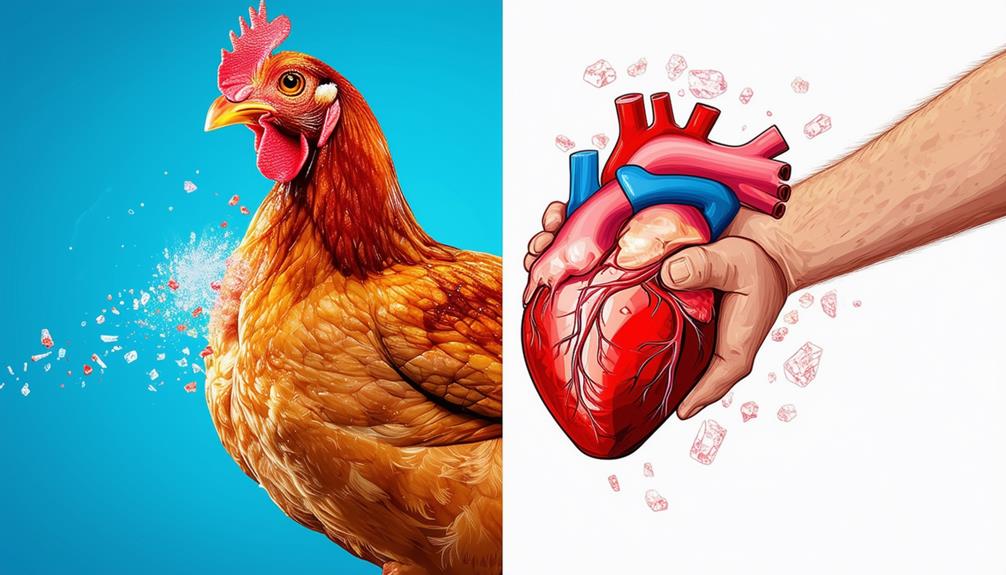
While chicken breasts are a popular choice in many diets due to their high protein content, recent studies have raised concerns about potential health risks associated with their overconsumption.
Research suggests that frequent consumption of chicken, particularly when paired with high-sugar condiments such as ketchup, may lead to an increased intake of unhealthy fats and added sugars. This dietary pattern can subtly undermine the benefits of chicken's lean protein.
Additionally, the method of preparation, such as frying or using excessive amounts of oil, can significantly amplify the calorie and fat content, exacerbating health risks.
It is essential for individuals to be vigilant about both the quantity and the cooking methods used for chicken to mitigate potential health complications.
Nutritional Profile of Chicken
Chicken breast is widely recognized for its low content of saturated fat, making it a preferred choice for many individuals seeking a healthy protein source in their dietary regimen.
It is also a good source of high-quality protein, essential for muscle growth and repair functions. Additionally, chicken provides important vitamins such as B6 and B12, which are crucial for energy metabolism processes and maintaining healthy nerve cells.
It also supplies essential minerals like phosphorus and selenium, the latter of which plays a key role in immune system function and antioxidant defense mechanisms.
However, it is essential to consider the method of preparation, as cooking techniques can significantly influence the nutritional value. Grilling or baking chicken without added fats preserves most of its inherent nutrients, making it a healthier option compared to frying methods.
Hidden Sources of Fat and Sugar

Understanding the nutritional value of chicken is a crucial step for maintaining a balanced diet; however, it is equally vital to identify the hidden sources of fat and sugar that may be included in common meals.
For example, while chicken itself is a lean protein source, the methods of preparation such as frying or cooking in heavy creams, and accompanying sauces or side dishes can significantly alter its health profile.
Consuming fried chicken or chicken dishes made with heavy creams can lead to a higher fat intake. Moreover, condiments such as ketchup or barbecue sauce, frequently served with chicken meals, are often high in added sugars.
These additions can transform what might be a healthy option into one that might contribute to nutritional imbalances, emphasizing the importance of carefully examining not only the primary ingredients but also the additional components in our meals.
Guidelines for Balanced Diets
To uphold a robust lifestyle, it is imperative to follow guidelines for a balanced diet that integrates a diverse array of food groups.
A holistic diet encompasses sufficient servings of vegetables, fruits, whole grains, proteins, and dairy products. Each category delivers distinct nutritional advantages, contributing to overall health.
Protein sources, such as chicken, ought to be ingested in moderation and enhanced with fiber-laden foods and beneficial fats to maximize nutrient assimilation and sustain internal equilibrium.
Moreover, it is crucial to curtail the consumption of hidden sugars and excessive fats, even in consumables traditionally deemed healthy.
Importance of Dietary Research

Given the intricate nature of nutritional science, dietary research serves as an essential tool in unraveling the complex interplay between food consumption and health outcomes. By conducting comprehensive studies, researchers can provide evidence-based insights that dispel common dietary misconceptions, such as the overgeneralized belief in chicken as a universally healthy option.
Beyond identifying the direct impacts of food items, research also illuminates subtle influences, such as the role of frequently accompanying condiments like ketchup, which contribute hidden sugars to diets. This persistent exploration allows for the adaptation of dietary recommendations to align with the latest scientific discoveries, ensuring that public health guidelines are based on the most recent evidence.
Consequently, dietary research is crucial in formulating informed, effective strategies for enhancing population health and optimizing individual dietary practices.
Conclusion
In conclusion, while chicken is celebrated as a lean source of protein, it is imperative to recognize the associated health risks, particularly from hidden fats and sugars often overlooked in dietary assessments. This analysis underscores the necessity of comprehensive nutritional evaluations and balanced dietary practices. Awareness and education about the potential pitfalls of popular food choices, including the use of condiments such as sauces and dressings, are crucial in maintaining optimal health and preventing nutrition-related diseases like obesity and diabetes.
Related articles: Dietitian’s Picks From Tim Hortons’ Fall Menu · Revitalize Your Hair With Powerful Multivitamins · Dermatologists Weigh In on Biotin’s Hair Benefits