
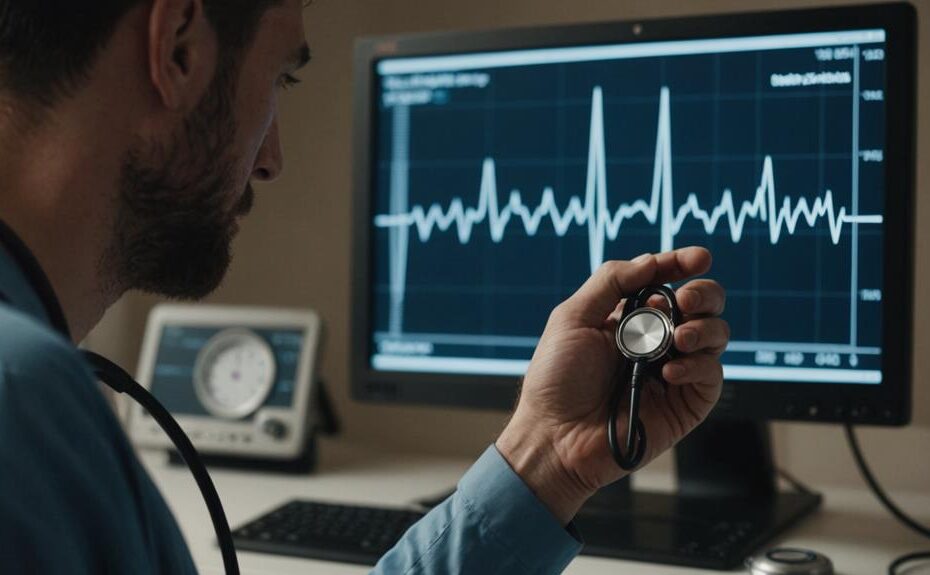
If you're experiencing your heart momentarily skipping a beat occasionally, it's generally not a cause for concern. These brief interruptions, also known as palpitations, are quite common and typically aren't indicative of a severe health condition.
Nevertheless, if you observe that these palpitations are increasing in frequency or are accompanied by symptoms such as dizziness, shortness of breath, or chest discomfort, it's crucial to consult your healthcare provider. They will evaluate whether these palpitations are symptomatic of a more serious underlying condition, particularly if they have become a consistent phenomenon.
Being aware of what is normal for your cardiac rhythm and recognizing when symptoms may suggest a potential health issue is vital in taking the right measures to ensure your heart health.
Understanding Skipped Heartbeats
Heart palpitations, often referred to as skipped heartbeats, can create a sensation that feels as though your heart has momentarily halted or skipped a beat. This unexpected feeling can be startling and sometimes causes concern. Although typically benign, gaining an understanding of this phenomenon is essential.
When you become conscious of your heart's activity, it's usually due to perceiving an extra beat or an exceptionally forceful one. This experience, commonly described as a skipped heartbeat, doesn't actually involve the heart stopping but rather a deviation in the heart's normal rhythm. Such irregularities may lead to sensations such as a flutter, a pronounced pounding in the chest, or a sensation as if the heart is flipping.
These heart palpitations are generally transient, enduring for just a few seconds or minutes. You may experience them while in a state of rest, or they might occur during periods of physical activity or emotional stress. While they can appear worrisome, they're frequently merely transient responses of the heart to various stimuli.
Identifying these occurrences and understanding how they present in your body is crucial. If concerns arise, consulting a healthcare professional is advisable. However, it's important to note that occasional skipped beats are common and usually don't indicate a serious condition.
Common Causes of Palpitations
Heart palpitations can be triggered by various factors, including psychological stress, caffeine intake, and certain pharmaceuticals. When experiencing anxiety or nervousness, your body releases stress hormones such as adrenaline, which can accelerate your heart rate.
Similarly, stimulants like caffeine, present in beverages such as coffee and tea, as well as in some energy drinks, can also increase your heart rate.
Certain pharmaceuticals, especially those with stimulant properties, might also be responsible for palpitations. These include medications prescribed for respiratory conditions like asthma, mental health conditions like depression, or even over-the-counter cold and allergy remedies containing pseudoephedrine. It's imperative to be aware of the side effects of any medications you're consuming.
Consumables like alcohol and nicotine are other frequent triggers. You might experience palpitations following alcohol consumption or if you use tobacco products. These substances can disrupt your cardiac rhythm and lead to noticeable palpitations.
Furthermore, some over-the-counter dietary supplements, particularly those marketed for weight loss or energy enhancement, may contain stimulants that disrupt your cardiac rhythm. It's advisable to be informed about the contents of these supplements and their potential effects on your heart.
Lastly, physiological changes, particularly hormonal fluctuations during pregnancy or menopause, can also lead to palpitations. If you're experiencing significant hormonal transitions, this might explain the sudden alterations in your cardiac rhythm.
Symptoms Accompanying Skipped Beats
When you experience skipped heartbeats, you might notice sensations of dizziness, shortness of breath, or a fluttering feeling in the chest. These sensations, often referred to as cardiac palpitations, can manifest as your heart seeming to race or pound vigorously.
Beyond the physical sensations, these episodes can also trigger psychological responses such as anxiety or fear, fueled by concerns over potential cardiac health issues.
In addition to these primary physical symptoms, secondary effects may include unusual fatigue and elevated perspiration levels. Some individuals report experiencing syncope (fainting) or near-syncope episodes if the skipped heartbeats occur frequently or in quick succession.
It's crucial to monitor these symptoms carefully, as they can provide insights into how your body is managing these cardiac irregularities.
While it's not uncommon to experience a skipped heartbeat occasionally, particularly during periods of emotional stress or following caffeine intake, persistent or severe symptoms warrant attention. Keeping a detailed log of the frequency and context of these symptoms can be invaluable when consulting with healthcare providers.
This information aids in forming a comprehensive understanding of your cardiac health, which will be further explored in the subsequent section on diagnostic approaches.
Diagnosing Heart Palpitations
To enhance your understanding of cardiovascular wellness, it's imperative to delve into the methodologies physicians employ to diagnose heart palpitations.
When you encounter those disconcerting skips or fluttering sensations in your chest, your healthcare provider will initiate with an in-depth conversation about your symptoms. They'll inquire about the frequency, duration, and potential triggers of these episodes. Providing detailed responses is essential to accurately identify the underlying cause.
Subsequently, a physical examination will be performed, and likely an electrocardiogram (ECG) will be administered to monitor your heart's activity in real-time. Based on the preliminary results, you may be required to use a Holter monitor, a portable device that records your heart rhythm continuously over 24 to 48 hours while you engage in your usual daily activities.
Should your palpitations occur sporadically, an event recorder may be employed instead. This apparatus, akin to a Holter monitor, is activated manually during a palpitation episode to capture data specifically during the irregularities.
In certain scenarios, additional testing such as an echocardiogram, which utilizes ultrasound waves to generate images of your heart, might be indispensable to investigate structural cardiac conditions. These diagnostic tools are crucial in formulating an effective strategy for managing your cardiac health.
Treatment Options Available
Once your heart palpitations are diagnosed, various treatment options can effectively manage or resolve the symptoms. If your palpitations are linked to a specific medical condition, treating the underlying issue is paramount. For example, if they're attributed to an overactive thyroid, medication to regulate thyroid function, such as levothyroxine or methimazole, may be prescribed.
Lifestyle modifications play a pivotal role as well. Monitoring your caffeine intake is essential, as it can trigger palpitations. Reducing alcohol consumption and cessation of smoking are also beneficial strategies. Stress management techniques such as yoga, meditation, and deep-breathing exercises can help mitigate episodes.
In certain scenarios, pharmacological intervention might be necessary. Beta-blockers, such as propranolol or atenolol, are commonly prescribed to help slow your heart rate and alleviate palpitations. Calcium channel blockers, including amlodipine or verapamil, are another therapeutic option that can help manage the symptoms by regulating your heart rate.
It is also crucial to maintain proper hydration and ensure electrolyte balance, as dehydration and electrolyte imbalances can contribute to palpitations. Adopting a nutritious diet and engaging in regular physical activity can enhance overall cardiac health and decrease the frequency of palpitations.
Always adhere to your healthcare provider's recommendations and follow the prescribed treatment plan meticulously. This personalized approach ensures that you're addressing the heart palpitations effectively while also caring for your overall wellbeing.
When to See a Doctor
Regardless of the available treatment modalities, if your cardiac palpitations intensify or you manifest associated clinical signs such as vertigo or thoracic pain, immediate consultation with a healthcare professional is imperative. These symptoms could be indicative of a more severe underlying medical condition, necessitating prompt clinical assessment.
Moreover, it's advisable to consult a medical practitioner if you observe an increase in the frequency of your arrhythmic episodes, or if they occur concurrently with atypical symptoms like dyspnea, profuse perspiration, or lethargy. These manifestations could suggest cardiovascular issues that demand interventions beyond mere lifestyle modifications or minor therapeutic measures.
Should you have any uncertainty regarding the gravity of your symptoms, don't hesitate to seek medical assistance. Opting for a precautionary evaluation by a cardiac specialist is preferable to risking potential complications that could have been averted.
While occasional arrhythmias are common and generally benign, a marked escalation in the frequency or intensity of such episodes warrants a professional medical assessment.
Additionally, individuals with a familial history of cardiac ailments, or those personally diagnosed with heart disease, should schedule a consultation even if the symptoms appear minor. Early detection and intervention can substantially enhance the prognosis of heart-related conditions.
Conclusion
If you're perceiving your heart skipping beats repeatedly or if this irregularity is coupled with discomfort, don't disregard these symptoms. Such occurrences might be indicative of a more severe health condition. Being attuned to your own body's signals is crucial, so if you sense that something is amiss, it's advisable to consult a healthcare professional.
A medical expert can evaluate your symptoms, diagnose the underlying issue, and recommend suitable interventions. Prompt attention to heart palpitations is essential to avert more grave health complications. Act diligently to maintain your heart's rhythm as consistent and smooth as possible.
Related articles: What to Do if Your Heart Is Skipping Beats Constantly? · How Many Palpitations per Minute Is Normal? · What Deficiency Causes Skipped Heart Beats?