

Concrete is in extremely high demand worldwide, driven by rapid population growth and urbanization in regions like China, India, Africa, and Latin America.
Sub-Saharan Africa is expected to see a 77% increase in demand by 2030, while India is projected to experience a 42% growth.
North America can also anticipate a 20% increase in demand, solidifying concrete's high demand status.
This trend is primarily attributed to the massive infrastructure development and urbanization projects underway in these regions.
The surge in demand raises significant questions about the construction and infrastructure developments in the coming years, necessitating detailed examination to discover the implications and potential solutions.
Concrete Cost Trends

Concrete cost trends have shown significant fluctuations in recent years.
Specifically, concrete block prices held steady after two quarters of growth above 5%, reflecting the high demand side of the equation set to peak in January 2024.
RSMeans Data from Gordian indicates that demand for concrete is high and production is low due to shortages of sand and other raw materials, leading to a dip in prices negligibly from this time last year.
RSMeans Data also highlights that concrete finishing, pouring, cast-in-place, and structural concrete experienced a notable surge with 8.5% and 6% price hikes in November 2023.
This increase was largely driven by supply constraints and the stabilizing of supply lines that had previously been unstable.
Notably, common concrete products saw their prices drop in November 2023 after supply lines normalized.
Before this drop, concrete costs and masonry prices had been on the rise, peaking in 2022, followed by a decline.
This mixed bag highlights the consistent role supply chain dynamics play in determining construction costs for materials like cement and concrete.
Factors Affecting Costs
As you navigate the complex landscape of concrete construction, a multitude of factors continue to significantly impact the costs associated with this vital material.
These factors include supply chain constraints, material shortages, and global events.
For instance, the gypsum shortage in January 2023 heavily affected the cost of Portland ready-mix concrete.
Similarly, cement shortages driven by global events like the Russian invasion of Ukraine further contributed to supply chain disruptions, affecting raw material mobility, especially with barge traffic on the Mississippi River hitting a dry spell.
These factors led to substantial price hikes for concrete products.
In 2022, concrete costs rose by approximately 15%, while masonry costs increased by 5.5% during the same period.
Construction Insights

Your construction projects are heavily influenced by disruptions in the supply chain for raw materials like cement and gypsum.
Embedded in these commodities supply chain issues was a notable impact on your project budget.
For instance, in 2022, masonry costs rose modestly by 5.5%. It's worth noting that concrete block, grid reinforcing products, and cast roof decks led the price jump.
Although you may have received some relief in the prevailing situation where concrete costs decreased after peaking in 2022, particularly with the stabilization of supply lines from November 2023.
This relief was only temporary, as concrete block prices surged again in January 2024 and continued to rise into the second quarter of 2024.
Preparation and adaptability will be key as you navigate the uncertain landscape.
Filled ready-mix concrete costs increased by 28% from January 2021, mainly due to fuel price escalations, highlighting the significant role transportation plays in the cost structure.
Regional Demand Trends
Population growth and urbanization megatrends are driving significant regional demand trends in the concrete market, with varying growth rates observed in different parts of the world.
Countries such as China, India, and those in Africa and Latin America are in the midst of major infrastructure development and urbanization projects. This is fueling a surge in demand for concrete.
In Sub-Saharan Africa, the demand for concrete is expected to grow by a staggering 77% by 2030. India, too, is witnessing massive construction activity, with a projected growth of 42% in the same timeframe.
Meanwhile, North America will experience a 20% increase, driven by regional dynamics and emerging market growth.
This boom in urbanization and infrastructure development means the global demand for concrete will continue to rise, with the GCCA forecasting a 43% increase from 2020 to 2050.
This increased demand will also bring about environmental challenges, with associated CO2 emissions expected to reach 3.8 bn tonnes.
As the world continues to urbanize, it's crucial to manage this growth sustainably and find ways to balance development needs with environmental concerns.
Sustainable Future Options
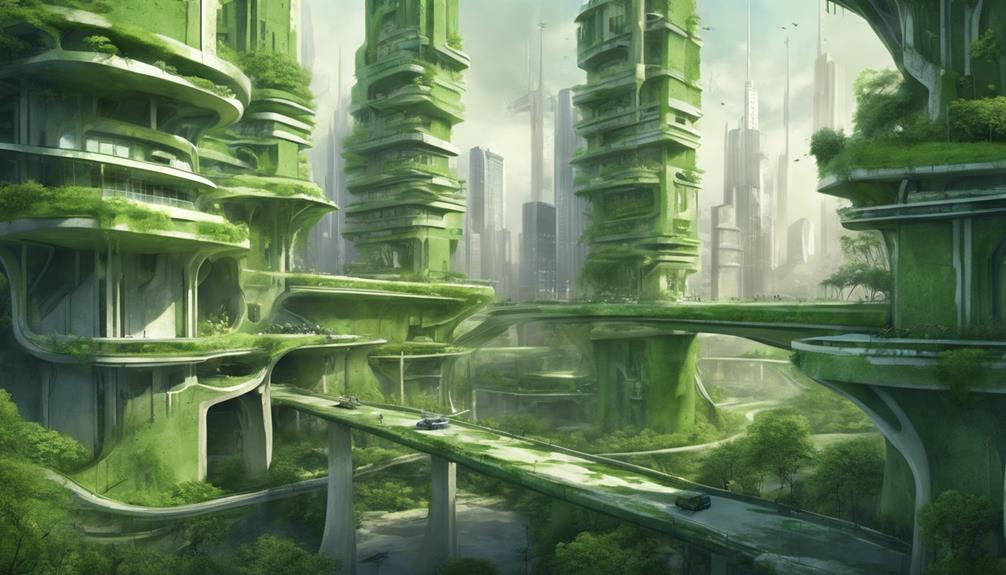
As global demand for concrete increases from 14 billion m^3 to an estimated 20 billion m^3 by 2050, driven by megatrends of population growth and urbanization, significant growth is imminent.
It's essential to adopt new methods to mitigate concrete's environmental impact, given the massive increase in demand. The concrete industry is poised for a drastic transformation to meet climate goals by drastically reducing its carbon footprint through sustainable means:
- Low-carbon ready-mix concrete blends: Shift focus towards developing blends that minimize environmental impact.
- Alternative materials: Explore alternative materials that can replace traditional concrete.
- Carbon capture technology: Local markets must support the implementation of carbon capture technology.
- Electrification of cement production processes: Encourage electrification to reduce emissions.
- Efficient use of concrete and cement: Optimize usage to minimize waste and unnecessary consumption.
- Cementitious materials: Leverage advanced materials to reduce concrete usage.
These measures are critical in the concrete sector's journey to net-zero emissions and a more sustainable future.
Frequently Asked Questions
Is There Really a Concrete Shortage?
There is a concrete shortage. Concrete block prices surged 8.5% in November 2023, indicating high demand. Regional variances and supply chain disruptions contribute to shortages, affecting local availability and driving up prices.
Is Concrete a Good Business to Get Into?
Yes, concrete is a good business to get into due to rising demand driven by urbanization and infrastructure projects in countries such as the United States. Emerging markets offer growth opportunities, and innovative sustainability measures, such as the use of recycled materials and carbon capture techniques, make it attractive for entrepreneurs and investors. The concrete business encompasses production, distribution, and application, with significant economic contributions and a widening role in shaping the built environment.
Is the Concrete Industry Growing?
Yes, the concrete industry is growing significantly, driven by urbanization and population growth. Redirected by factors such as infrastructure development, housing needs, and climate adaptations, the demand for concrete is anticipated to increase by approximately 43% from 2020 to 2050. This growth will result in a global capacity surplus of approximately 6 billion cubic meters by 2050.
Who Is the Largest Consumer of Concrete?
The largest consumer of concrete is emerging economies, primarily in Asia and Africa, where massive infrastructure development and urbanization create unparalleled demand for this versatile building material.
Conclusion
So, you've seen the intense demand for concrete lately.
This is no surprise given the explosive population growth and urbanization happening in places like China, India, Africa, and Latin America.
These regions are investing heavily in infrastructure development, which is dramatically increasing concrete demand.
Sub-Saharan Africa, for instance, will see a massive 77% demand surge by 2030, with India and North America also experiencing significant growth.
Related articles: What Are the Margins in a Concrete Business? · How Many Yards of Concrete Do I Need for a 24X24 X4 Slab? · How Much Will 10 Yards of Concrete Cover 4 Inches Thick?