
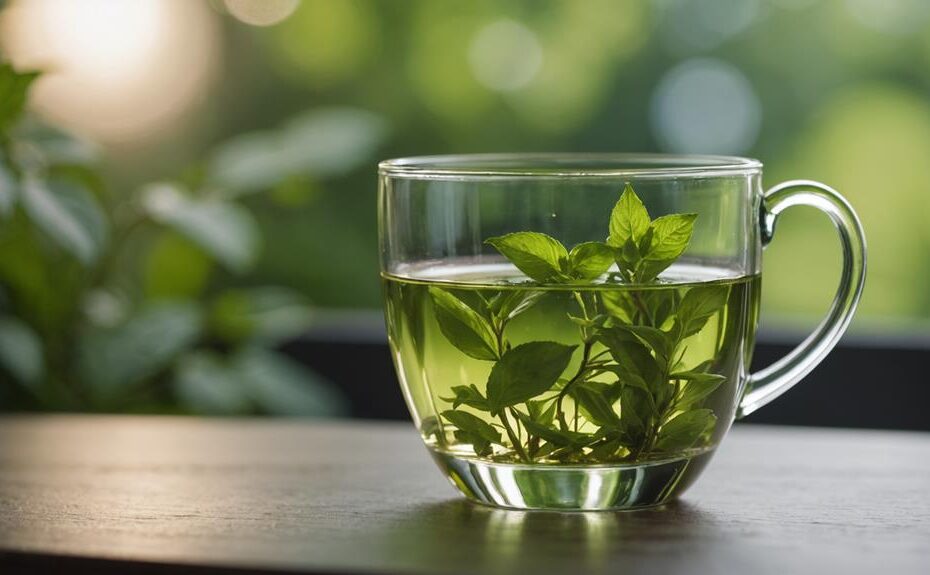
If you're seeking a beverage that aids in cardiovascular health, green tea emerges as a top choice. Rich in antioxidants, particularly catechins, green tea combats arterial inflammation and the accumulation of plaque, significantly reducing the risk of cardiovascular diseases and cerebrovascular accidents (strokes).
Beyond its metabolism-enhancing properties that facilitate weight management, green tea also amplifies physical performance during aerobic activities. In a similar vein, beverages like pomegranate juice, known for its heart-protective polyphenols, beetroot juice with its nitrate content that optimizes blood pressure, and even plain water, essential for maintaining optimal blood circulation, all play vital roles in cardiovascular health management.
Delving deeper into nutritional science reveals additional intriguing benefits these drinks offer for maintaining a healthy heart.
Exploring Green Tea Benefits
Consuming green tea provides a variety of health advantages, such as bolstering cardiac health and boosting metabolic processes. When you indulge in this time-honored beverage, you aren't merely enjoying a calming drink; you're engaging in a tradition that has the potential to prolong your lifespan.
Green tea is abundant in antioxidants known as catechins, which significantly contribute to reducing inflammation and combating the accumulation of plaque within your arteries. Consequently, this leads to a decreased likelihood of cardiovascular diseases and cerebrovascular incidents such as strokes.
In addition, green tea enhances your metabolic rate, facilitating weight loss. This benefit isn't limited to mere calorie burning; it encompasses enhancing your body's efficacy in digesting and utilizing nutrients. Regular intake of green tea can assist in sustaining a healthy weight, which is essential for optimal cardiac function. You'll also notice an improvement in your physical performance during exercise, enabling you to engage in activities more vigorously without experiencing fatigue.
Furthermore, green tea has been demonstrated to stabilize blood pressure and ameliorate lipid profiles, including the reduction of LDL cholesterol levels. These collective effects significantly fortify your cardiovascular system. Therefore, the next time you opt for a beverage, bear in mind that green tea not only provides comfort but also strengthens and protects your heart.
The Truth About Red Wine
You've likely encountered the notion that red wine can enhance cardiac health, but let's delve into the veracity of this widespread belief. Red wine is enriched with antioxidants, among which is a compound known as resveratrol. This substance has garnered attention for its potential cardiovascular protective properties. Research indicates that moderate intake of red wine can elevate the levels of high-density lipoprotein (HDL) cholesterol—the beneficial type—and safeguard against arterial damage.
However, it's imperative to grasp the meaning of 'moderate.' Typically, this refers to consuming no more than one glass daily for women and a maximum of two glasses for men. Exceeding these amounts can reverse the advantageous effects and heighten the risk of various health issues, including hepatic disease and dependency.
Furthermore, it's critical to acknowledge that red wine isn't a panacea for cardiovascular health. Its advantages are merely one aspect of a comprehensive strategy that should also encompass a balanced diet and consistent physical exercise.
Red wine shouldn't be the sole strategy for maintaining heart health; instead, it should be considered one element of an integrated approach to a healthy lifestyle.
Water's Role in Heart Health
Water is essential in supporting cardiac health by managing blood pressure levels and enhancing proper blood circulation. Adequate hydration ensures that the blood possesses a reduced viscosity, facilitating smoother flow through blood vessels. This diminishes the workload on the heart, enabling it to distribute blood more effectively across the body.
Consuming sufficient amounts of water also stabilizes the balance of critical electrolytes—such as sodium and potassium—vital for optimal heart functionality. A disruption in these electrolytes can trigger cardiac rhythm anomalies, termed arrhythmias, which pose potential health risks. Regular water intake is crucial for maintaining these electrolytes at balanced levels, ensuring a consistent, healthy heart rhythm.
Moreover, staying hydrated assists in preventing the accumulation of detrimental compounds within the blood vessels. Proper water consumption helps in dissolving minerals and salts that could otherwise contribute to the formation of arterial plaque, a primary contributor to cardiovascular conditions.
Potential of Pomegranate Juice
While water is essential for maintaining heart health, adding pomegranate juice to your diet could provide additional advantages. This brightly colored fruit's juice is rich in antioxidants, particularly polyphenols, which shield your cardiovascular system against oxidative stress and inflammation.
It might surprise you, but pomegranate juice can also enhance blood circulation to the heart. Research has shown that it improves the functionality of blood vessels, thereby reducing arterial stiffness. This facilitates more efficient blood pumping by the heart, potentially decreasing the risk of heart diseases and myocardial infarctions.
Furthermore, pomegranate juice possesses a distinctive capability to reduce cholesterol levels. It achieves this by impeding the oxidation of LDL cholesterol (often referred to as the 'bad' cholesterol), which plays a crucial role in the formation of arterial plaque.
Regular intake of pomegranate juice could help maintain your arteries free from harmful accumulations, promoting smoother blood circulation and lessening the burden on your heart.
Beetroot Juice for Blood Pressure
If you're aiming to manage your hypertension, integrating beetroot juice into your nutritional regimen could be beneficial. This vividly colored beverage offers more than aesthetic appeal; it's enriched with dietary nitrates that facilitate the dilation of your blood vessels, enhancing circulation and reducing blood pressure levels.
Clinical research indicates that the consumption of beetroot juice can precipitate notable decreases in both systolic and diastolic blood pressure indicators.
You may query the requisite quantity for therapeutic effects. Empirical studies advocate the intake of approximately one to two cups of beetroot juice daily for optimal results. For enhanced nutrient absorption, it's advisable to consume this juice on an empty stomach.
But what underlies its efficacy? The potency of beetroot juice stems from the transformation of dietary nitrates into nitric oxide, a pivotal molecule that's integral to vascular health. Nitric oxide functions to relax and widen your blood vessels, thereby facilitating a reduction in blood pressure.
In addition to its vasodilatory effects, beetroot juice is a potent source of antioxidants and other beneficial phytochemicals. Regular consumption can't only bolster your cardiovascular endurance but also augment your overall cardiac wellness.
Thus, incorporating beetroot juice into your diet isn't solely about mitigating blood pressure; it represents a proactive approach to fostering a healthier lifestyle.
The Impact of Coffee
It may come as a surprise that coffee, a popular morning beverage, also has significant implications for cardiovascular health. Numerous scientific studies indicate that moderate coffee consumption—typically three to four cups daily—can offer protective benefits for the heart. Experts attribute this advantage to the high levels of antioxidants in coffee, which are known to enhance the functionality of blood vessels and mitigate inflammation.
Additionally, the influence of coffee on cardiovascular wellness extends to a reduced risk of stroke. This preventive aspect is believed to be linked to coffee's capacity to promote blood circulation and reduce the likelihood of blood clot formation.
However, the method of coffee preparation is crucial; adding excessive sugar and cream could negate these cardiovascular advantages. Hence, opting for black coffee or minimal use of sugar and low-fat milk is recommended.
Individual health conditions must also be taken into account. For those with pre-existing heart complications or caffeine sensitivity, it's essential to consult a healthcare professional about coffee consumption. Ultimately, health guidance should be customized to each individual's medical history and requirements.
Herbal Teas and Heart Health
Turning our attention to the realm of herbal teas, research indicates that these beverages are pivotal in bolstering cardiac wellness. You may ponder how something as unassuming as tea can yield such profound benefits.
Certain herbal teas are endowed with copious amounts of antioxidants, anti-inflammatory agents, and phytonutrients, all of which aid in diminishing blood pressure and enhancing the health of arteries.
Take hibiscus tea, for example, celebrated for its efficacy in lowering both systolic and diastolic blood pressure. For those in pursuit of a calming yet cardioprotective drink, adding a cup of hibiscus tea to your daily regimen is a strategic decision.
Likewise, green tea, renowned for its extensive health advantages, is abundant in catechins and flavonoids, which are compounds known to improve cardiac function and shield against cardiovascular ailments.
Chamomile tea shouldn't be underestimated either; it transcends its role as a mere sleep aid. It also harbors properties that may mitigate the risk of heart diseases by facilitating the relaxation of blood vessels and arteries.
Conclusion
You've observed how various beverages, from green tea to herbal infusions, contribute to cardiovascular wellness. Whether it's the antioxidants present in pomegranate juice, the blood pressure-reducing properties of beetroot juice, or the essential hydration provided by water, each plays a crucial role.
It's important to practice moderation with red wine, and although coffee offers numerous benefits, maintaining balance is crucial. Continue exploring these cardioprotective options and discover what aligns best with your lifestyle and taste preferences!
Related articles: Can Low Vitamin D Cause Heart Flutters? · What Is the Most Common Cause of an Irregular Heartbeat? · What Settles Heart Palpitations?