

Hidden fats and sugars, pervasive components in the American dietary landscape, significantly contribute to nutritional imbalances that jeopardize public health.
Recent research from Ohio State University underscores the alarming excessive consumption of these nutrients, typically found in everyday consumables such as dairy products, processed meats, carbonated beverages, and confectioneries.
These dietary elements are associated with heightened risks of severe health conditions including cardiovascular diseases, type 2 diabetes, and obesity.
In light of findings that indicate a significant overshooting of national dietary guidelines, there is an intensifying demand for improved public health education initiatives to address these covert dietary hazards.
Enhancing awareness of these nutritional pitfalls can empower individuals to make informed decisions that bolster long-term health and wellness.
Study Findings Overview

In a detailed study executed by Ohio State University, researchers analyzed nutritional data from over 36,000 U.S. adults during the period spanning 2005 to 2018.
The research, disseminated in the academic publication Nutrients, aimed to explore patterns and health consequences associated with the intake of saturated fats and added sugars.
The results revealed a concerning consistency in high consumption levels, which regularly surpassed the thresholds set by national dietary guidelines.
These dietary tendencies were significantly correlated with heightened risks of major health issues, such as cardiovascular disease, type 2 diabetes, obesity, and certain types of cancer.
The thorough investigation underscored the pressing necessity for public health initiatives to tackle these nutritional issues, highlighting the pivotal role that educational endeavors and policy reforms play in enhancing dietary practices among the populace.
Key Dietary Sources
Building on the findings from a comprehensive study by Ohio State University, it becomes evident that certain foods play a significant role in the high intake of saturated fats and added sugars among U.S. adults.
Dairy products such as cheese, pizza, and ice cream are primary sources of saturated fats, while beverages like soft drinks and fruit drinks contribute heavily to added sugar consumption.
Other notable items include processed meats such as cold cuts and dairy alternatives like cream substitutes for fats, plus desserts like cakes and pies for sugars.
Although some foods like eggs and whole milk are nutritious, their fat content is substantial.
Unexpected sources such as tomato-based condiments and snack foods like cereal bars also add to the dietary load.
This widespread presence in everyday meals underscores the challenge of reducing these components in the American diet.
Guidelines and Consumption
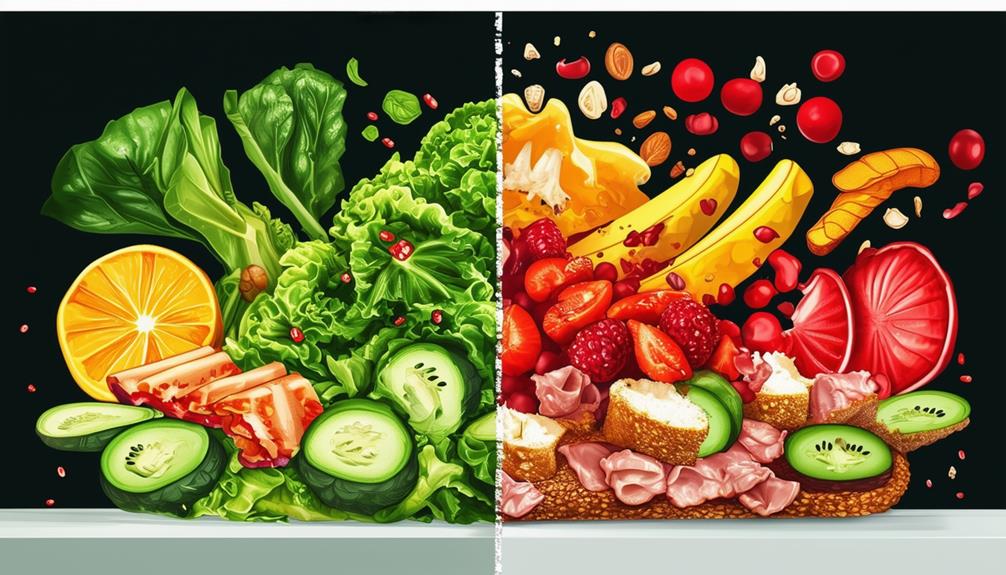
National dietary guidelines recommend that less than 10% of daily caloric intake come from saturated fat and added sugars.
However, a recent study conducted by researchers at Ohio State University unveils a concerning trend: participants typically consumed at least 12% of their calories from saturated fats and between 14% to 16% from added sugars.
This excess consumption is problematic, as both nutrients are linked to an increased risk of severe health issues, including cardiovascular diseases and diabetes.
The findings of this study highlight an urgent need for public health campaigns that more effectively educate consumers about the nutritional content of foods and the critical importance of adhering to dietary guidelines.
Addressing this gap is essential for reversing the adverse trends observed in national health metrics and improving the overall health landscape.
Making Healthier Choices
Understanding the sources and quantities of saturated fats and added sugars in our diets is the initial step toward making healthier dietary choices. By identifying primary contributors such as cheese, pizza, soft drinks, and fruit drinks, individuals can commence altering their habits effectively.
National dietary guidelines recommend maintaining these components at less than 10% of total daily caloric intake. This necessitates not only selecting healthier alternatives but also developing an awareness of hidden fats and sugars in foods perceived as healthy.
Implementing small, consistent adjustments—such as choosing water over sugary drinks or opting for fresh fruit instead of sugary snacks—can significantly mitigate health risks. Making well-informed decisions is essential in striking a balance between indulgence and nutritional needs, fostering sustained health benefits.
Insights From Nutrition Experts
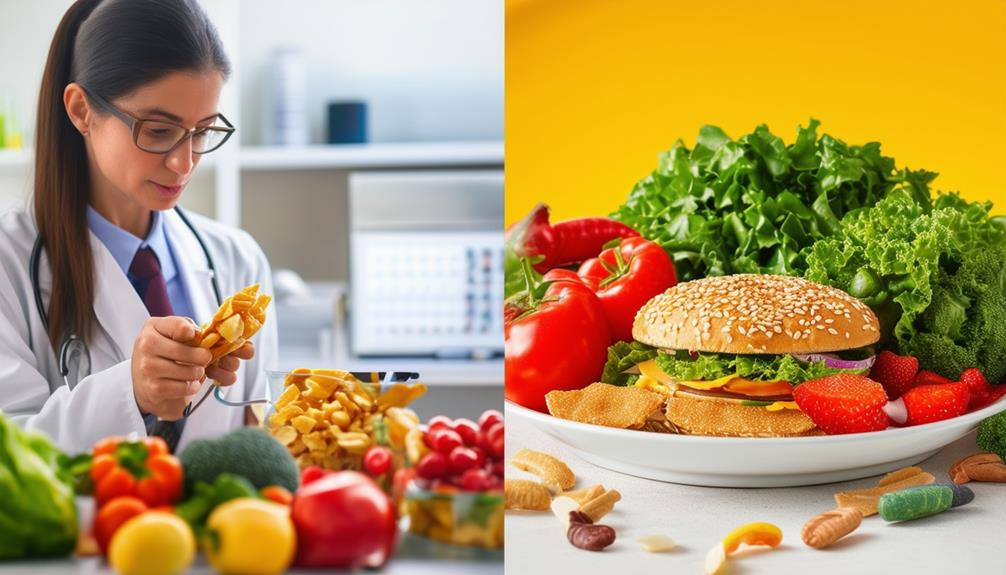
While many consumers are aware of the prominent sources of fats and sugars in their diets, insights from nutrition experts highlight that these components are often concealed in foods commonly perceived as nutritious.
Christopher Taylor, a distinguished nutrition professor at Ohio State University, observes that even products promoted as beneficial can contribute significantly to daily saturated fat and sugar intake.
Susan Schembre, an esteemed oncology professor, identifies that sugars are frequently found in unexpected places, such as tomato-based condiments and certain beverages.
These experts underscore the necessity of meticulously examining ingredient lists and nutritional labels to better comprehend the origins of fats and sugars, thereby enabling consumers to make informed eating decisions that are in line with national dietary guidelines.
Conclusion
In conclusion, the research from Ohio State University highlights the critical need for increased dietary awareness and comprehensive policy reform. The widespread presence of hidden fats and sugars in the American diet is a major factor in the rise of chronic health conditions such as obesity, diabetes, and heart disease. By aligning consumption patterns with established dietary guidelines from entities like the USDA and promoting well-informed food selections, we can decrease these health risks and cultivate a healthier national community. Continued education and stringent regulatory measures, supported by health institutions and governmental bodies, are essential to address this widespread issue effectively.
Related articles: Chicken’s Hidden Dangers: Fat and Sugar Exposed · Dietitian’s Picks From Tim Hortons’ Fall Menu · Revitalize Your Hair With Powerful Multivitamins