

The ketogenic diet, characterized by its high-fat intake and low carbohydrate consumption, has demonstrated effectiveness in areas such as weight loss and blood sugar regulation.
However, it also raises concerns regarding lipid profiles, particularly LDL (low-density lipoprotein) cholesterol, commonly labeled as "bad" cholesterol. An elevation in LDL cholesterol can escalate the risk of cardiovascular diseases due to potential arterial blockage.
While individual reactions to the diet can differ, largely influenced by genetic predispositions and lifestyle choices, substantial evidence indicates that increased LDL levels associated with the ketogenic diet could overshadow its metabolic advantages.
Further exploration could unveil a more comprehensive understanding of its potential impacts and necessary adaptations.
Keto Diet Basics

The ketogenic (keto) diet primarily emphasizes a high-fat intake, strategically reducing carbohydrate consumption to only 5-10% of daily caloric intake. This regimen shifts the body into a metabolic state known as ketosis, enabling efficient fat burning for energy rather than relying on glucose.
This process can lead to significant weight loss and enhanced blood sugar management. The diet's composition includes 70-75% fats and approximately 20% proteins, focusing on the intake of healthy fats such as olive oil, avocados, and nut butters.
Variants of the keto diet, such as the standard, targeted, and cyclical versions, cater to diverse lifestyle demands and physical activities, offering adaptability while maintaining complexity in its implementation.
Understanding Cholesterol
Cholesterol, a lipid molecule that is a waxy substance found in the blood, plays a critical role in the formation of cell membranes and the synthesis of vital hormones.
It circulates in the bloodstream bound to proteins, forming two primary types: low-density lipoprotein (LDL) and high-density lipoprotein (HDL).
LDL, often labeled as "bad" cholesterol, is associated with an increased risk of atherosclerosis, where high levels can lead to plaque buildup in the arterial walls, escalating the risk of cardiovascular diseases such as heart disease and stroke.
Conversely, HDL, recognized as "good" cholesterol, assists in the removal of other forms of cholesterol from the bloodstream, thereby promoting arterial health.
Maintaining a balanced cholesterol level is essential for cardiovascular health, highlighting the significance of dietary and lifestyle choices in effectively managing these levels.
Keto Diet and LDL Increase
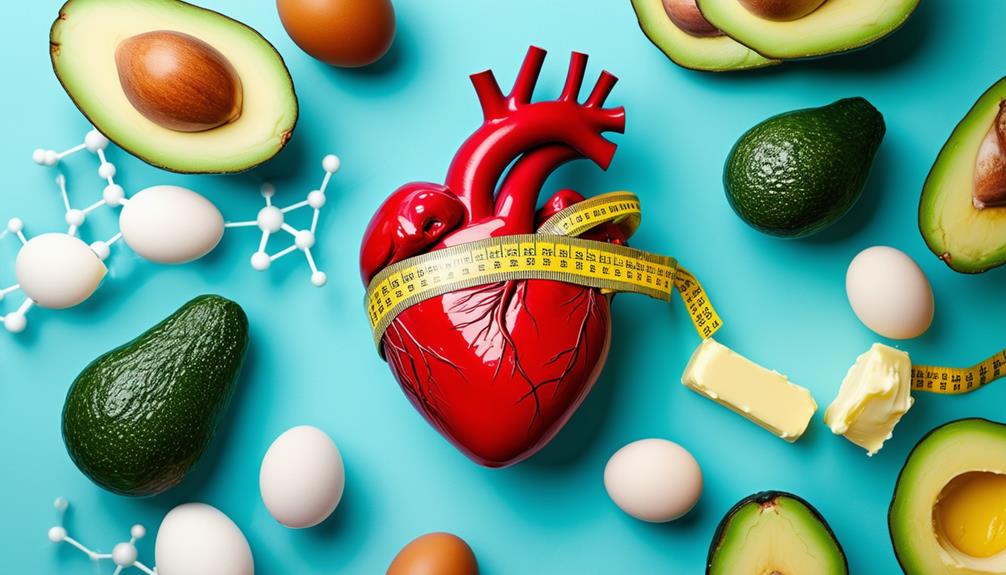
Despite its popularity for weight loss, the ketogenic diet raises concerns regarding its impact on LDL (low-density lipoprotein) cholesterol levels.
The diet's high fat intake, particularly saturated fats, can significantly increase LDL levels in the bloodstream, posing potential cardiovascular risks. Research studies have consistently shown that within weeks of adopting a ketogenic regimen, some individuals exhibit a marked rise in LDL cholesterol.
This increase is concerning because elevated LDL is closely linked to an enhanced risk of heart disease. Although the diet might yield rapid weight loss and benefits in blood sugar control, the potential elevation in LDL cholesterol necessitates a cautious approach, especially for those predisposed to heart conditions or with existing high cholesterol levels.
Variability in Individual Responses
In exploring the impact of the ketogenic diet, it is vital to recognize the variability in individual responses concerning cholesterol level alterations.
Scientific studies reveal that while certain individuals following a ketogenic regimen may experience a rise in LDL cholesterol, also known as "bad" cholesterol, others might observe enhancements in their HDL cholesterol, known as "good" cholesterol, and overall lipid profiles.
These variations can be attributed to genetic determinants, the specific macronutrient distribution of the diet (e.g., ratios of fats, proteins, and carbohydrates), and unique metabolic reactions.
Therefore, it is imperative for healthcare practitioners to review a patient's personal health history and genetic inclinations when recommending nutritional strategies.
The intricate relationship among dietary habits, genetic makeup, and metabolic processes highlights the importance of tailored nutrition plans, emphasizing a personalized approach over a universal solution in managing cholesterol levels through dietary interventions.
Adapting the Keto Model

Adaptation stands as a crucial strategy in optimizing the ketogenic diet for individuals concerned about their cholesterol levels. Recognizing the need to balance dietary intake, adaptations may include altering the traditional macronutrient ratios to accommodate a higher percentage of carbohydrates and proteins while reducing the intake of fats.
This approach aims to mitigate the risk of elevating LDL cholesterol levels, which are often associated with the standard high-fat ketogenic model. Additionally, incorporating a more diverse range of whole foods, such as fruits, vegetables, and whole grains, can help enhance fiber intake, crucial for cardiovascular health and maintaining balanced cholesterol levels.
Such tailored modifications necessitate careful planning and consultation with healthcare providers, such as dietitians and nutritionists, to ensure nutritional adequacy and achieve desired health outcomes safely.
Importance of Healthy Fats
The focus on healthy fats is crucial in the ketogenic diet, particularly for individuals concerned with cholesterol management.
Essential healthy fats, such as those found in avocados, various nuts, and olive oil, play a significant role in maintaining cardiovascular health and managing lipid profiles. These fats are instrumental in the synthesis of HDL cholesterol, commonly referred to as the "good" cholesterol, which facilitates the removal of LDL, often known as the "bad" cholesterol, from the bloodstream.
Monitoring Cholesterol Levels

Regular monitoring of cholesterol levels is vital for individuals adhering to the ketogenic diet to observe the effects of nutritional modifications on their lipid profiles.
Given that this diet emphasizes increased fat consumption, which can shift cholesterol balances, routine blood examinations are crucial. These assessments evaluate low-density lipoprotein (LDL), high-density lipoprotein (HDL), and overall cholesterol levels, offering insights into cardiovascular health risks.
Effective monitoring facilitates the early detection of any detrimental shifts, enabling timely dietary modifications or medical interventions. Medical experts typically advise that individuals following the ketogenic regimen undergo cholesterol evaluations prior to initiating the diet and at regular intervals subsequently.
This approach ensures that the diet's advantages in weight regulation and glycemic control do not undermine cardiovascular wellness through adverse lipid variations.
Future Research Directions
Given the diverse responses to the ketogenic diet observed in recent studies, future research should focus on identifying the underlying biological and physiological mechanisms that dictate individual variations in cholesterol levels and cardiovascular risk.
This includes exploring genetic predispositions, hormonal influences, and metabolic differences that may predict an individual's response to the diet.
Further large-scale, longitudinal studies are necessary to evaluate the long-term cardiovascular outcomes associated with the ketogenic diet.
Additionally, research should aim to refine dietary recommendations to optimize cholesterol profiles while maintaining the therapeutic benefits of ketosis.
Such studies could provide a foundation for personalized dietary advice, potentially allowing broader, safer application of the ketogenic diet in diverse populations.
Conclusion
In conclusion, the ketogenic diet, often referred to as keto, presents a complex impact on cholesterol metrics, particularly concerning potential elevations in LDL (low-density lipoprotein) cholesterol. While this diet offers advantages for weight management and glycemic control, the implications for prolonged cardiovascular health necessitate thorough evaluation. Prioritizing the intake of beneficial fats and consistent monitoring of lipid profiles can help mitigate associated risks. Ongoing studies should further investigate the differences among individuals and formulate personalized dietary strategies to optimize health outcomes while reducing possible adverse cardiovascular impacts.
Related articles: Are You Missing Out on Fiber · Unlock Your Daily Fiber Needs Today · Chefs Unite: The Ultimate Vegetable Revealed