

Deciding on kitchen cabinets can be a deliberative process.
You've probably asked yourself whether it's more cost-effective to buy pre-made cabinets or invest in custom-made cabinetry.
Store-bought options may seem efficient due to their readily available designs and bulk manufacturing, but their size and style offerings often fall short of unique kitchen spaces.
For instance, if you have an irregularly shaped kitchen, pre-made cabinets might not fit snugly, forcing you to make costly adjustments.
On the other hand, tailoring custom cabinets to fit your kitchen could require a higher upfront commitment, including the cost of materials, tools, and labor.
Mixing elements, such as purchasing stock cabinets and modifying them to suit your layout, might provide a middle ground.
How far will you go to achieve the perfect kitchen fit?
Designing for Space Efficiency
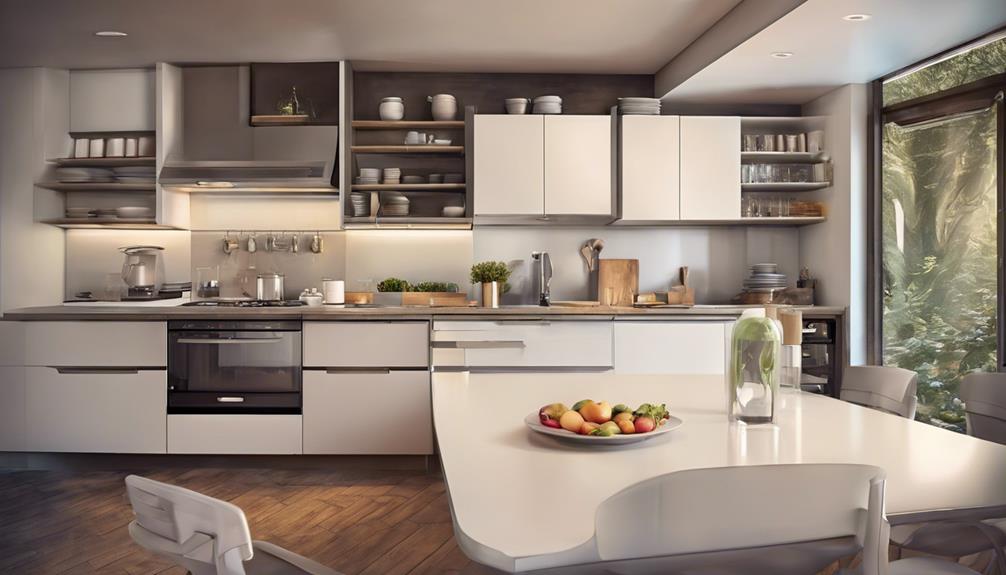
To optimize kitchen space efficiently, strategically place key elements such as the sink, appliances, and cabinets to unlock the full potential of your kitchen.
This critical step enables you to achieve maximum space efficiency and a seamless workflow.
Begin with your sink, which is often located in a fixed position, and then arrange other essential components around it.
This approach ensures that you're not wasting valuable space and that movement between key stations is easy and unobstructed.
Additionally, employ digital tools like 3D modeling software to visualize your proposed layout, making it easier to measure and adjust.
Online resources can also aid in crafting a cabinet layout that you can then take to a big-box store for a quote.
Cost-Effective Materials Choices
When designing your kitchen cabinets, one often overlooked element is the choice of materials, and with the potential to save hundreds of dollars by using cost-effective options without sacrificing quality, careful selection can significantly impact your overall budget.
While the total cost of building cabinets can range from $3,000 to $6,000, some savvy choices can really help your wallet.
Building a cabinet box using melamine, a cost-effective and durable material, can be a significant cost savings. For instance, building a cabinet with 6 small drawers using melamine for the box and custom drawer and door construction can be more budget-friendly than purchasing them entirely from a store like Ikea.
Look for materials like 3/4 maple plywood for higher-quality cabinets. Hybrid builds, where you mix and match store-bought cabinet boxes with custom drawer and door construction, can also be a smart move. These small strategies can really make a difference in your overall budget.
Besides melamine, laminate, thermofoil, and particle board are additional budget-friendly options to consider. Cabinet panel materials like thermofoil for a smooth, seamless appearance, and laminate finished in solid colors or realistic wood grains and textures, can be advantageous for affordability.
Stainless steel cabinets, though durable and easy to clean, may not be as budget-friendly due to higher material and labor costs. Consider your kitchen design, functionality, and aesthetic preferences when choosing the most cost-effective materials for your project.
Cabinetry Workflow and Assembly
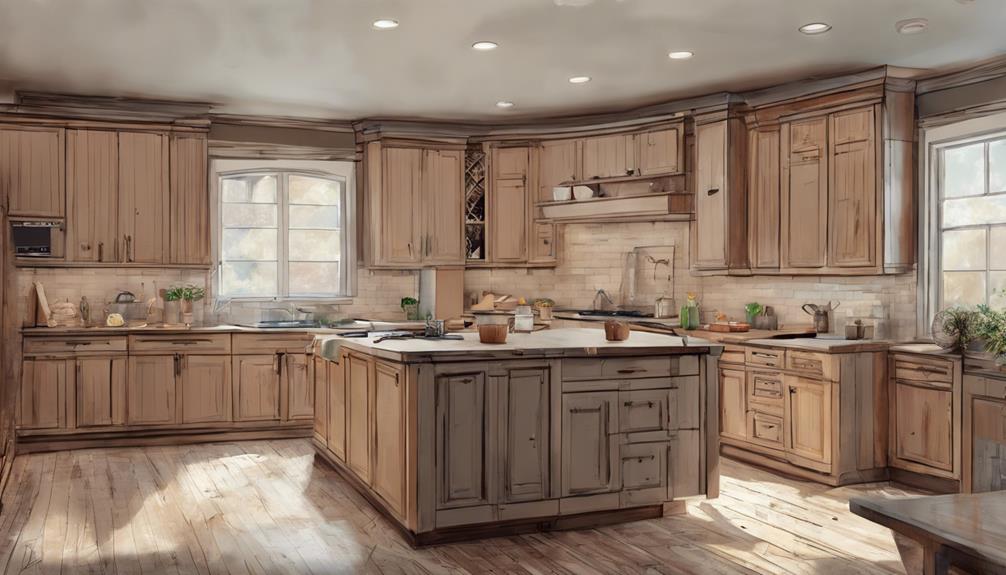
Effective Cabinetry Workflow and Assembly Process Alignment
To guarantee that your cabinetry workflow and assembly process align effectively with your design goals and materials selection, it's crucial to implement a well-planned strategy that optimizes tools, materials, and techniques.
This alignment can be achieved by adhering to the following guidelines:
Materials Selection
Utilize high-quality ¾ in. plywood to construct the main structure of the cabinet box, ensuring durability and sturdiness. For shelves and other details, use ½ in. plywood to provide the necessary support without excessive weight.
Solid Joinery Techniques
Employ traditional joinery techniques such as mortise and tenons to add strength to the structure and simplify the assembly process.
Optimized Fastening
Utilize screws specifically designed for MDF and hardwoods, like SPAX, to streamline the assembly and enhance the final product.
Efficient Assembly
Leverage specialized tools like narrow crown staplers to quickly secure parts together and reduce assembly time.
Attention to Detail
Ensure that front edges are critically aligned for a visually appealing finish. Attach back panels securely to maintain the structure and ensure stability.
Maximizing Storage and Functionality
As you finalize the cabinetry workflow and assembly, the next step involves strategically placing your cabinets to ensure maximum storage capacity and functionality within your kitchen layout. This process requires careful consideration to optimize the use of space and create an efficient workflow.
For instance, the sink is often a fixed point, allowing you to plan the layout and cabinetry around it. This approach ensures that each zone of the kitchen is optimized for specific tasks and activities, effectively increasing the functionality of the cooking zone.
Incorporating Zones in Kitchen Cabinet Design
Designing your kitchen with different zones in mind is a strategic approach that enhances functionality and workflow efficiency. A zoned kitchen cabinet design divides the kitchen into various areas — each assigned with a specific task such as prep zone, cooking zone, cleaning zone, storage zone, and dining zone.
In the prep zone, your cabinets could be designed to store cutting boards, knives, mixing bowls, or small appliances.
The cooking zone would ideally have cabinets for pots, pans, baking sheets, and other cooking utensils within easy reach of your oven or stovetop.
In the cleaning zone, the cabinet design could accommodate dishware, silverware, and cleaning supplies close to the dishwasher or sink.
The storage zone might feature pantry-style cabinets for your food items, while the dining zone cabinet could hold plates, glasses, and other serving utensils.
Creating varied kitchen zones using cabinets not only maximizes storage space but also provides a smoother cooking and cleaning experience. It ensures everything has a designated place, reducing clutter and making the kitchen a more enjoyable space to work in.
Frameless Cabinets for Increased Storage Capacity
Frameless cabinets are a popular choice as they omit the face frame, allowing for more flexibility in the design. This flexibility can translate to increased storage capacity and more efficient use of space.
Additionally, frameless cabinets can be customized to fit specific needs, further enhancing the functionality of your kitchen.
Investing in Quality Hinges and Slides
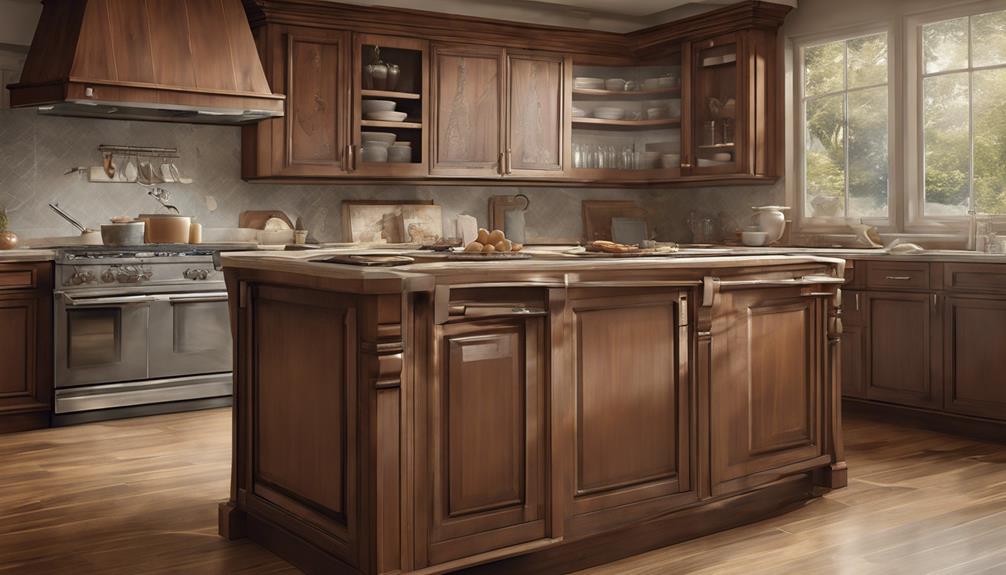
To ensure seamless functionality and a touch of sophistication in your kitchen cabinets, focus on high-quality door hinges and soft-close drawer slides that are designed to provide smooth and quiet operation over a lifetime.
For instance, soft-close drawer slides are particularly beneficial in kitchens with children or pets, as they prevent slamming and reduce noise, which aligns with the widespread use of soft-close cabinet hinges predicted in 2022.
High-quality hinges can add a touch of premium and custom-made aesthetics to your cabinets. By incorporating concealed or push-to-open hinges, you can create a clean and modern look while ensuring a smooth operational experience.
Additionally, consider all aspects of the hinges and slides when choosing the right type for your frameless cabinets. Some hinges, such as those designed to minimize interference with pull-out shelves, ensure both doors and shelves operate seamlessly.
Durability, design, and ease of installation are key factors to consider when selecting hinges. Whether you're building cabinets from scratch or retrofitting an existing one, make sure to research all the mechanisms available, including soft-close hinges, push-to-open hinges, concealed hinges, and undermount slides, to achieve the desired level of functionality and elegance.
Frequently Asked Questions
Is It Cheaper to Build or Buy Kitchen Cabinets?
While pre-assembled options save time, building kitchen cabinets can save 30-50% and offers customization for those with the necessary woodworking skills and tools, ultimately depending on factors such as budget, time, and expertise.
Is It Worth It to Get Custom Kitchen Cabinets?
If you value uniqueness and quality, consider custom kitchen cabinets, offering thousands in potential savings, unlimited design options including unique features like appliance garages and ladder drawers, and sustainable materials such as eco-friendly wood and low-VOC finishes—your time and effort can result in a truly personalized, long-lasting investment in your home.
How Much Cheaper Are Ready to Assemble Cabinets?
Ready-to-assemble (RTA) cabinets are cost-effective alternatives to traditional custom cabinetry for your kitchen renovation. The significant savings on RTA cabinets come from reduced labor and shipping expenses.
Comparison to Traditional Cabinets:
- Cost:
- Semi-Custom Cabinets: $150-$650 per linear foot.
- Assembled Cabinets: $100-$300 per linear foot, $300-$1,000 more than RTA cabinets.
- Assembly and Shipping:
- Pre-Assembled Cabinets:
- Longer shipping time (up to three weeks to three months longer).
- Higher shipping cost due to bulkier packaging.
- RTA Cabinets:
- Lower shipping cost due to flat packing.
- Faster shipping (available in one to two weeks).
- DIY assembly saves on labor costs.
Savings on a 10×10 L-Shaped Kitchen:
- RTA Cabinets: $1,200-$4,400.
Quality and Materials:
- High-quality materials: Solid wood, plywood, and hardware with detailed instructions
- Customizable: Various styles, finishes, and applications to fit your kitchen design
Tips for Upgrading the Look:
- Hardware Upgrade: Replace standard knobs and pulls with stylish hardware.
- Paint or Stain: Fresh coatings elevate the appearance.
- Crown Molding: Add a custom touch with crown molding.
- Glass Inserts: Incorporate elegance with glass inserts.
How Much Does It Cost to Make a Kitchen Cabinet?
'If you opt to build your kitchen cabinets, the cost will depend on materials and tools. For instance, using maple wood and maple plywood, a basic setup could cost $50 to $75 per linear foot, depending on the specific wood choice and hardware. This is significantly less than buying off-the-shelf or custom-made cabinets.'
Conclusion
Now that you've weighed the options between buying and custom-making kitchen cabinets, consider your priorities and budget.
If cost-effectiveness and convenience are top on your list, store-bought cabinets might be ideal.
For a tailored fit and unparalleled quality, custom cabinets may be worth the investment.
Alternatively, mix-and-match hybrid approaches can offer both affordability and flexibility.
Related articles: Is Painting Cabinets Cheaper Than Replacing? · Do You Put Floors in Before Cabinets? · Do Appliances or Countertops Go in First?