

The ketogenic diet, characterized by its extremely low carbohydrate intake, is currently being scrutinized after a compelling study conducted by researchers at the University of Bath uncovered various health risks linked to its long-term use.
This investigation involved 53 healthy participants over a period of 12 weeks and revealed significant effects such as a reduction in gut microbiota diversity, heightened levels of detrimental blood lipids, and potential increases in insulin resistance.
These results indicate that although the diet may facilitate rapid adipose tissue loss, it could also jeopardize cardiovascular and metabolic health.
It is essential to recognize the importance of balanced nutritional strategies for achieving and sustaining optimal health and minimizing potential health hazards.
Additional research could further elucidate these intricate biological interactions.
Study Overview and Methodology

In a rigorously structured study conducted by researchers at the University of Bath in the UK, 53 healthy adults were monitored over a period ranging from 4 to 12 weeks to evaluate the health impacts of the ketogenic diet compared to low-sugar and moderate sugar/carbohydrate diets.
The participants, aged between 18 to 65, were randomly assigned to one of the dietary groups, ensuring a balanced demographic representation across all groups.
The primary focus was on observing changes in body weight, metabolic health markers, such as blood glucose levels and cholesterol, and overall well-being.
This structured approach not only allowed for a controlled examination of dietary effects but also aimed to provide a clear comparison between the different dietary practices without overlapping into the detailed dietary analysis, ensuring each diet's impact was isolated effectively.
Comparative Diet Analysis
Building on the structured study overview, a detailed analysis of the diets reveals significant distinctions in nutritional composition and subsequent health impacts.
The ketogenic diet, characterized by extremely low carbohydrate intake (below 8%), contrasts sharply with the low-sugar and control diets, which allow for higher carbohydrate levels. This drastic reduction in carbohydrates on the ketogenic diet forces the body into a metabolic state known as ketosis, utilizing fat as the primary energy source instead of glucose derived from carbohydrates.
The low-sugar diet, aligning more closely with public health recommendations, restricts free sugars but maintains a balanced macronutrient profile, including proteins, fats, and carbohydrates.
These fundamental differences in dietary composition highlight the varying effects on fat loss, metabolic responses, and potential health risks, emphasizing the need for careful consideration and guidance when choosing a diet.
Impact on Gut Health
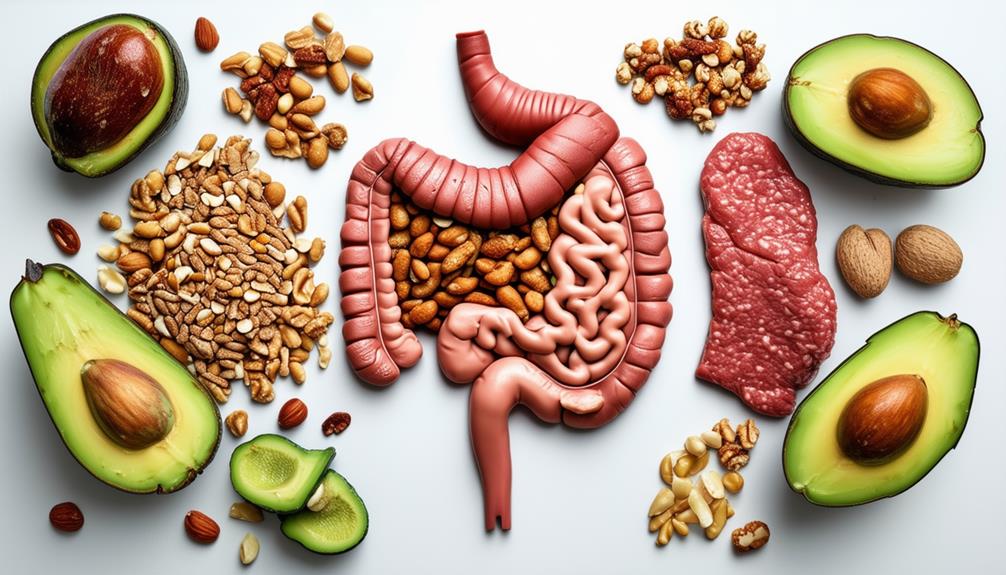
The ketogenic diet significantly impacts gut microbiota composition, as demonstrated by a notable decrease in bacterial diversity. This reduction in microbial variety, particularly in beneficial species such as Bifidobacterium, is attributed to a lower intake of dietary fiber, essential for maintaining a robust gut ecosystem.
Research conducted by scientists at the University of Bath reveals that these modifications are not temporary but continue throughout the 12-week study duration. This sustained alteration in gut microbiota poses potential risks for long-term digestive and immune system health.
In contrast, the low-sugar diet examined did not exhibit comparable detrimental effects on gut microbiota, indicating that the issue may not be carbohydrate restriction itself, but rather the specific nutritional profile of the ketogenic diet.
Cholesterol and Blood Fats
Concerns regarding cholesterol and blood fat levels have been highlighted from the study conducted by the University of Bath, specifically addressing the impact of the ketogenic diet.
The research points out a significant increase in unfavorable blood fats among participants who followed the ketogenic regimen. In contrast, participants on a low-sugar diet experienced a reduction in total cholesterol.
Those adhering to the ketogenic diet showed elevated levels of lipids, potentially increasing the risk for cardiovascular diseases, such as heart attacks and strokes.
This finding is particularly concerning considering the widespread popularity of the keto diet for weight loss and enhancing metabolic health. It emphasizes the importance of adopting a balanced dietary approach, one that carefully evaluates the long-term effects on blood fat profiles in addition to achieving weight management goals.
Metabolic Changes and Risks

Comprehending the metabolic alterations and potential hazards linked with the ketogenic diet is essential, particularly regarding its effects on insulin resistance and carbohydrate metabolism.
A prominent study conducted by the University of Bath elucidates that the ketogenic diet profoundly modifies the body's carbohydrate processing post-meal. Notable enzymes such as PDK4, which have associations with type 2 diabetes, show increased levels, while critical proteins like AMPK and GLUT4, vital for glucose metabolism, are diminished.
These modifications indicate a potential escalation in insulin resistance, which may complicate the reintroduction of standard carbohydrate consumption in the diet. The prolonged consequences could lead to an increased likelihood of developing type 2 diabetes, thereby raising substantial concerns about the long-term safety and viability of the ketogenic diet.
Conclusion
The study undertaken by the University of Bath highlights crucial issues concerning the long-term safety of ketogenic diets. Although these diets are proven to be beneficial for weight reduction, their effects on gut microbiota diversity, cholesterol levels, and carbohydrate metabolism reveal potential health hazards such as heart disease, stroke, and insulin resistance. These findings indicate that the advantages of ketogenic diets must be carefully balanced against their potential adverse health outcomes, necessitating additional research and a prudent approach to their endorsement for weight loss and health enhancement.
Related articles: Keto Diet: A Risk to Your Cholesterol · Are You Missing Out on Fiber · Unlock Your Daily Fiber Needs Today