

Recent research published in the Journal of the American Medical Association (JAMA) Network Open illustrates that adopting an anti-inflammatory diet, such as the well-regarded Mediterranean diet, can significantly diminish the risk of developing dementia.
The comprehensive study, analyzing data from an extensive cohort of 84,342 participants, observed a 31% reduction in the incidence of dementia among individuals who consistently followed anti-inflammatory dietary guidelines.
These diets, which prioritize the reduction of inflammation—a critical factor contributing to cognitive decline—also enhance overall brain health, as evidenced by favorable neuroimaging results.
Modifying dietary habits to decrease intake of processed foods and sugars, while increasing consumption of fruits, vegetables, and beneficial fats like omega-3 fatty acids, is essential for dementia prevention.
Further research into the specific components of these diets could reveal more detailed insights into their protective effects on cerebral health.
Study Overview

Published in JAMA Network Open on August 12, 2024, the study utilized data from the UK Biobank to investigate the impact of diet on dementia risk among 84,342 participants aged 40 to 70.
The research team, comprising epidemiologists and neurologists, meticulously gathered data on demographics, health status, and genetic predispositions related to Alzheimer's disease.
Over an 18-month period, dietary assessments were conducted to precisely measure the intake of 206 different food items and 32 varieties of beverages.
Each participant's average age was 64, with a balanced gender distribution.
This comprehensive analysis aimed to understand how dietary habits influence cognitive decline, setting a foundation for exploring specific nutritional strategies towards dementia prevention without delving into the inflammatory processes involved.
Inflammation and Dementia Link
Chronic inflammation, a pervasive health issue, is increasingly recognized as a crucial factor in the development of various chronic diseases, including cardiovascular diseases and diabetes mellitus. These conditions are known to elevate the risk of neurodegenerative disorders such as dementia.
Studies indicate that prolonged inflammation adversely affects neurological health, potentially accelerating the onset of cognitive disorders like dementia. Diets high in processed foods and refined sugars contribute to elevated levels of inflammatory biomarkers, exacerbating this risk.
In contrast, anti-inflammatory diets, exemplified by the Mediterranean diet—which is rich in phytonutrients from fruits and vegetables and omega-3 fatty acids from fish—have been correlated with reduced inflammation and a diminished risk of cognitive decline.
A deeper understanding of the biological mechanisms by which inflammation influences neurodegeneration is essential for developing effective nutritional strategies that might mitigate the risk of dementia.
Key Findings
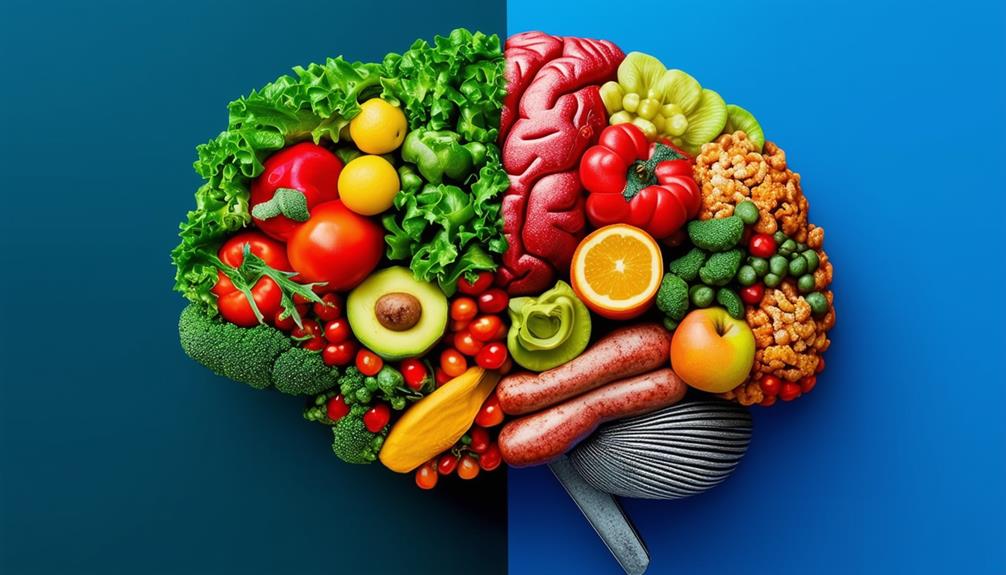
Building on the established correlation between inflammation and cognitive decline, recent scientific research provides robust evidence that adopting an anti-inflammatory nutritional regimen can significantly decrease the incidence of dementia, particularly among individuals with preexisting cardiometabolic conditions.
The investigation revealed a 31% reduction in the likelihood of developing dementia for individuals adhering to such dietary protocols.
Moreover, neuroimaging techniques displayed an augmentation in cerebral grey matter volume and a reduction in white matter hyperintensities in participants who followed anti-inflammatory dietary patterns.
These findings not only bolster the concept of "inflammaging" — the hypothesis that connects inflammation with aging and disease progression — but also validate through meticulous statistical evaluation that nutritional choices can directly impact neurological health outcomes.
Practical Implications
Recognizing diet as a modifiable risk factor, the findings from this study underscore the significant role that nutritional choices play in the prevention of dementia.
This research emphasizes the importance of adopting an anti-inflammatory diet, particularly for individuals with preexisting cardiometabolic diseases such as diabetes and heart disease, to reduce their risk of dementia. Such dietary adjustments not only influence immediate health conditions but also contribute to healthier aging.
Practical application involves widespread educational initiatives to inform the public about the benefits of dietary changes. Additionally, healthcare providers can use these insights to advise patients on specific dietary strategies that promote brain health, such as incorporating omega-3 fatty acids, antioxidants, and fiber-rich foods, enhancing the overall management of aging and associated disease risks.
These strategies are crucial in public health efforts, involving both governmental and non-governmental organizations, to mitigate dementia incidence.
Recommendations and Future Research

Given the compelling body of evidence connecting anti-inflammatory nutritional regimes to a decreased incidence of dementia in individuals suffering from cardiometabolic disorders, it is critical to extend our research efforts to enhance our comprehension of these associations.
Future investigations should prioritize longitudinal studies to monitor the enduring influences of such nutritional regimes on cognitive capabilities across varied demographic groups.
Furthermore, delving into the specific elements of anti-inflammatory diets that most profoundly impact cerebral wellness could assist in refining dietary advisories.
It is equally vital to explore the possible interplays among nutritional habits, genetic predispositions, and lifestyle dynamics such as physical exertion and stress moderation.
The implementation of randomized controlled experiments could elucidate a more definitive causative correlation and potentially inform public health strategies geared toward the prevention of dementia.
Conclusion
This research highlights the crucial impact of dietary patterns on dementia risk, particularly through processes that control inflammation. Following anti-inflammatory diets, such as the Mediterranean diet, reduces inflammation markers and positively influences brain architecture. These results support the widespread adoption of nutritious eating practices to possibly reduce the risk of dementia, emphasizing the need for more extensive longitudinal studies to confirm these dietary guidelines and investigate their effects on public health and cognitive durability.
Related articles: Unlocking the Secrets of Hara Hachi Bu · Keto Diet Under Fire: Safety Concerns Arise · Keto Diet: A Risk to Your Cholesterol